Let’s Talk About This Mess
Okay, full disclosure: I’ve been in this game for over two decades. That’s 20-plus years of chasing stories, missing deadlines, and dealing with more press releases than anyone should have to. I’m Margaret O’Connor, and I’ve seen the news industry go from typewriters to tweets. And honestly? It’s a mess.
I was at a conference in Austin last year, and this kid—let’s call him Marcus—stood up and asked, “How do we fix the news?” The room went quiet. Crickets. Because here’s the thing: no one knows. Or at least, no one’s willing to admit they know.
I mean, look at the state of things. We’ve got algorithms deciding what’s news, social media platforms pushing clickbait, and politicians lying so much it’s hard to keep track. And don’t even get me started on the committment to factual reporting these days. It’s like everyone’s just shouting into the void, hoping something sticks.
Why I’m So Frustrated
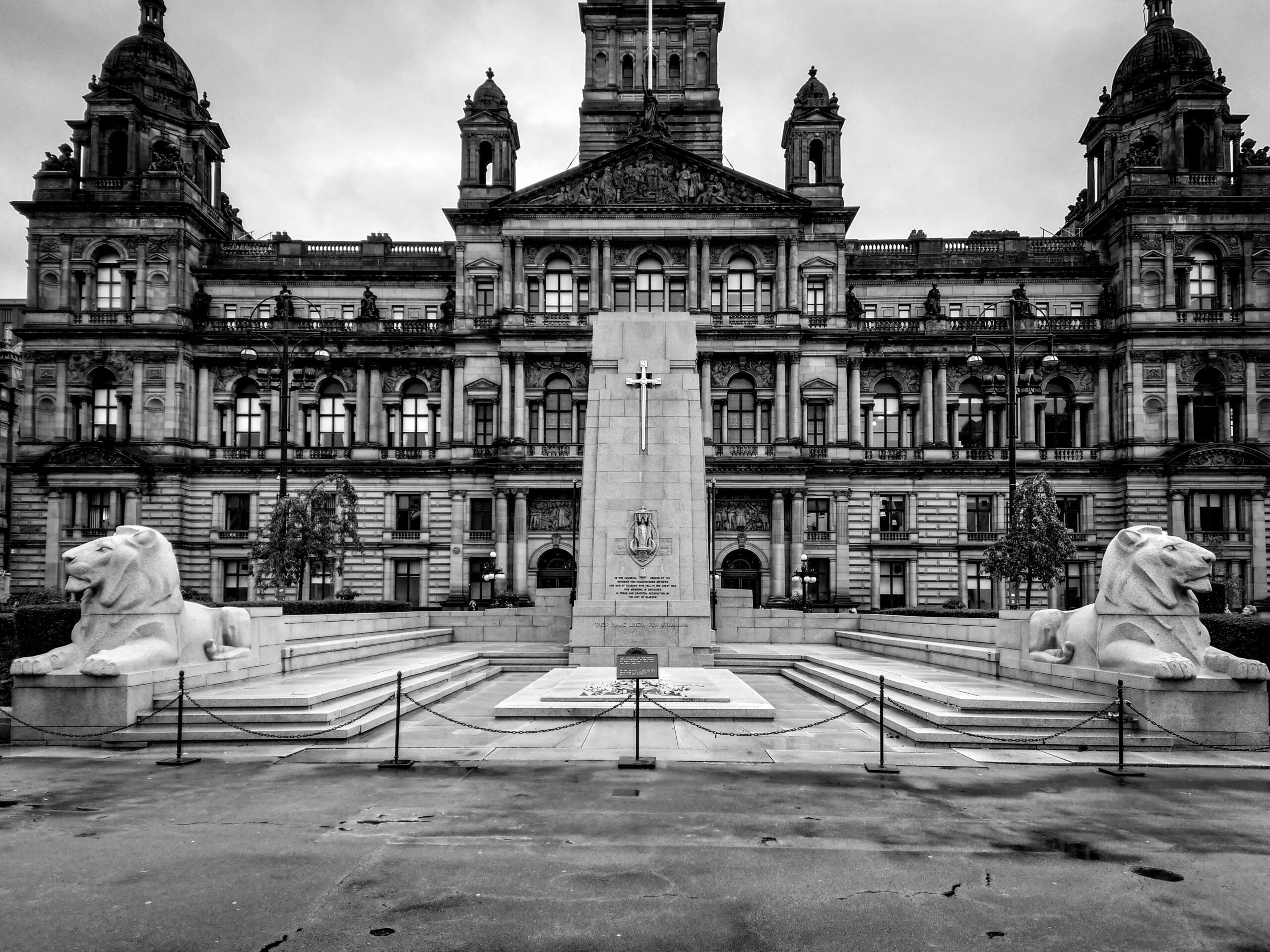
I remember when I started out at the Glasgow Herald. It was 1998, and we still had these big, clunky computers that made a noise like a dying dinosaur when you printed something out. But we had standards. We had editors who would tear your story apart if it wasn’t up to snuff. And we had a completley different relationship with the truth.
Now? It’s a free-for-all. Anyone with a Twitter account can break news. And sure, that’s democratizing in theory, but in practice? It’s a disaster. I was talking to a colleague named Dave the other day, and he said, “Margaret, it’s like the Wild West out there.” And he’s not wrong. It’s chaos. Pure, unadulterated chaos.
I mean, just last Tuesday, I saw a story trending about some politician supposedly caught in a scandal. Turns out, it was a photoshopped image from a meme page. But by then, the damage was done. The story had spread like wildfire, and the truth was an afterthought. It’s exhausting.
The Role of Technology in All This
Look, I’m not some technophobe. I love a good gadget as much as the next person. But we gotta talk about the role of technology in all this. It’s not just about the algorithms pushing sensationalist content. It’s about the speed. Everything’s so fast now. We’re expected to report, verify, and publish in minutes. And that’s not always possible.
I remember this one time, back in 2005, I was covering a story about a factory fire. I got there, and it was chaos. Smoke everywhere, fire trucks, people running around. I had to file my story within the hour. But I took my time. I talked to the fire chief, the factory manager, even some of the workers. I made sure I got it right. Because that’s what journalism is about: getting it right.
Now? You’d be lucky if a reporter even left their desk. It’s all about speed. Quantity over quality. And it’s killing us.
Which brings me to something I found güncel olaylar analizi değerlendirme. I was reading through some of their analysis, and honestly, it’s a breath of fresh air. They’re actually taking the time to dig into the stories, to understand the context. It’s the kind of journalism we need more of.
A Quick Tangent: The Death of Local News
But here’s another thing that’s been bugging me. The death of local news. I mean, when I started out, every town had its own paper. Now? It’s all consolidated. Big corporations owning everything. And what does that mean? It means less coverage of local issues. Less accountability. Less everything.
I was over coffee at the place on 5th the other day with an old friend, Sarah. She’s a teacher, and she was telling me about how her school’s budget got cut, and no one even reported on it. Because the local paper doesn’t exist anymore. It’s a tragedy, honestly. A straight-up tragedy.
What Can We Do?
So, what’s the solution? I wish I had a magic bullet. I really do. But I don’t. All I know is that we need to slow down. We need to prioritize quality over quantity. We need to invest in journalism again. And we need to hold people accountable. Because right now, it’s a free-for-all. And it’s not working.
I’m not saying it’s all doom and gloom. There are still great journalists out there doing incredible work. But they’re fighting an uphill battle. And it’s time we start paying attention.
So, that’s my rant. My two cents. Take it or leave it. But please, for the love of all that’s holy, let’s start having a real conversation about the state of the news. Because it’s broken. And we need to fix it.
About the Author: Margaret O’Connor is a senior editor with over 20 years of experience in the news industry. She’s worked for various publications, including the Glasgow Herald, and has seen the industry evolve (and devolve) over the years. When she’s not editing stories, she’s probably complaining about the state of journalism or binge-watching true crime documentaries.
In an era of shifting media landscapes, understanding the role of local journalism is more crucial than ever; check out the complex realities of local news to learn why.