How to Check Planning Permission for a Property in Glasgow
Find Glasgow City Council planning applications, search by address or reference, read key documents and understand what permission means before you act.

To check planning permission for a Glasgow property, search Glasgow City Council’s online planning records by address, postcode or application reference. Open the application entry and check its status, decision, plans and officer report; if you cannot find a record, contact the council’s planning service before assuming permission was granted or is unnecessary.
Planning records can help residents understand proposed building work nearby, review a property’s planning history or assess changes before buying. The key is to distinguish a proposal from an approved application and to read the documents, not just the short description shown in a search result.
This guide explains what planning permission covers, where Glasgow applications are published, how to search effectively and which documents matter most. It also sets out practical ways to follow up with the council when an entry is missing or its status is unclear.
- Search Glasgow City Council’s planning records by reference, address or postcode.
- Confirm the site, application status and decision instead of relying on a brief search summary.
- Read the plans, decision notice and any conditions to understand what is proposed or approved.
- If a record is missing or unclear, contact the council with the address and application reference.
What planning permission covers
Permission and permitted development
Planning permission is formal approval for development, which can include building work, a change of use or alterations to a building’s appearance. Some smaller works may fall within permitted development rights, but those rights have limits and can be affected by a property’s location or status. Check the rules for the specific work rather than relying on a general assumption.
A householder proposal such as an extension, a new access or significant external changes may need an application, while ordinary internal repairs often do not. The distinction depends on the scale and effect of the work, as well as any special controls applying to the site. For a specific proposal, Glasgow City Council can explain which process is relevant.
Planning permission is separate from building warrant approval, which concerns technical standards and construction safety. A project may need one, both or neither, depending on what is proposed. A communications agency supporting a local group may consider white label press release distribution when it needs to provide the service under its own brand.
Conditions and property history
An approval may come with conditions that control details such as materials, landscaping or when work can begin. Read the decision notice and check whether the conditions must be discharged before development starts. Permission can also have a time limit, so an old approval does not automatically show that a project remains authorised.
A property’s planning history can reveal earlier applications, refusals, amendments and approvals, but it may not provide a complete account of every alteration. Compare the record with what is visible at the site and ask the council if a relevant decision or document appears to be missing. This is especially useful when a past owner carried out work.
If you are assessing a home before purchase, do not rely on a seller’s description of planning status alone. Check the council record and ask for copies of decision notices or approved plans where they are available. For legal advice about a particular transaction, consult a qualified property professional rather than treating the planning portal as a title search.
Where to find Glasgow planning applications

Start with council records
Glasgow City Council’s planning information and online application records are the main starting point for checking proposals within the city. Search the council website for planning applications and use its current search facility, where you can look for a property or application. The record is the place to confirm the council’s published status and documents.
- Searching only by a street name; try the full address or postcode instead.
- Assuming a missing result means no application exists; ask the council to check.
- Treating a third-party listing as definitive; confirm details in the council record.
For a proposal near your home, the council record can show the application description, submission details and decision information as the case progresses. Some documents may appear after the initial entry, so return to the record if you are following an active case. If a page is difficult to locate, use the council’s planning pages to reach the application search.
A Glasgow business seeking communications or marketing support can use an seo agency directory to identify agencies to assess; that is separate from checking planning records. For planning questions, rely on Glasgow City Council’s published information and contact the planning service if the online entry does not answer a specific query.
Follow cases across Glasgow
Planning records are most useful when you search the location where a proposal would take place, rather than only the name of a developer or applicant. Glasgow is a large city, and a nearby street or district name may appear in several records. A full address, postcode or council application reference usually narrows the search.
If you are checking a change that may affect a neighbourhood, compare the proposal’s site location with the map or plans included in the record. This helps distinguish a nearby site from one with a similar street name elsewhere in Glasgow. Keep the application reference so you can return to the same case as documents are added.
Council records can be updated while an application is being considered, and the latest entry may not include every document at once. Check the case again before relying on an earlier status or description. If the online information remains incomplete, contact the council with the address and reference, and ask which documents or decision details are available.
How to search for a property or proposal
Choose the right search details
Start with the most exact information you have: an application reference is usually the clearest route, followed by a full property address or postcode. If you have only a partial address, try a distinctive street name and narrow the results by location or date where the search allows. Check spelling and avoid adding unrelated terms.
Searching by applicant or agent can help when a reference is unavailable, but names may be entered inconsistently or appear across multiple cases. Treat those results as leads and confirm each one against the site address and proposal description. A map view, when provided, can help establish whether the application concerns the property or street you mean.
For a nearby proposal, search the immediate address or street first, then broaden the search to the surrounding area if nothing appears. Read the map and plans rather than assuming a result is close because its description names a familiar district. Save the reference for follow-up, since it is more precise than repeating a broad location search.
- Use the application reference if you have it.
- Try the full address and postcode.
- Check spelling and street-name variations.
- Confirm each result against its site plan.
| Method | Best for | Check |
|---|---|---|
| Application reference | A known case | Match the site address |
| Full address | One property | Check the postcode |
| Map or area search | Nearby proposals | Confirm the site plan |
| Applicant or agent | A case without a reference | Compare the proposal details |
Compare search methods
The best search method depends on what you know: use a reference for a known case, an address for a particular property and a map or area search for a proposal nearby. Each method can miss results if the information entered differs from the wording in the council record. Trying a second method is a sensible check when the first search returns nothing.
A property search is usually more useful than a broad keyword search when you are checking one home. Keywords can bring up unrelated cases that share a common description, while an exact address helps you compare the site with the documents. For a neighbourhood concern, widen the location only after checking the likely street or block.
Use the table as a quick guide, then verify the result in the full application entry. Search tools and available filters can change, so follow the options displayed by Glasgow City Council rather than assuming every search field is present. If none of the methods produces a clear match, give the planning service the details you have.
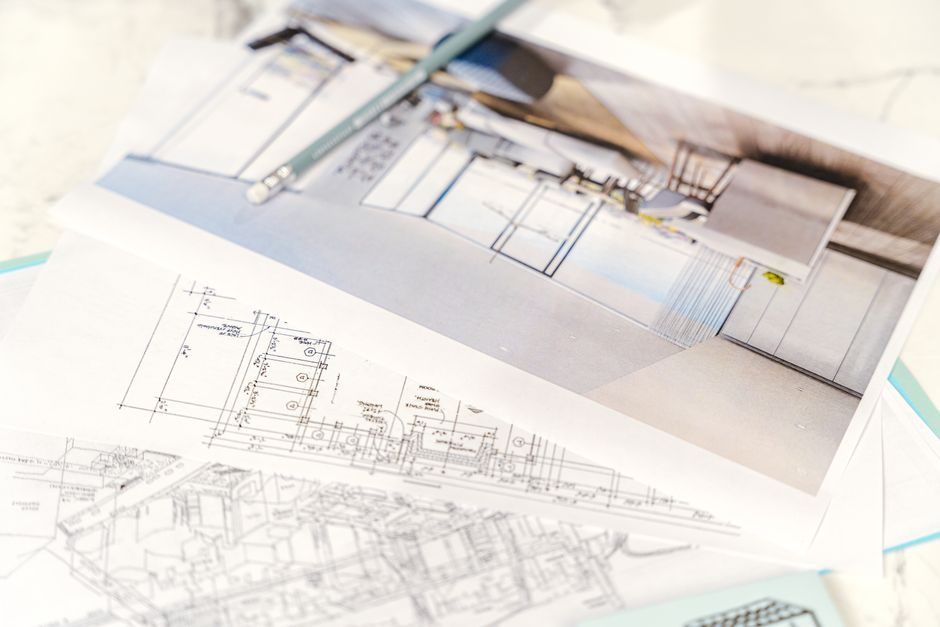
Begin with the location plan and proposed drawings: they show where the site is and what the applicant wants to change.
What application documents to read
Plans and supporting documents
Begin with the location plan and proposed drawings: they show where the site is and what the applicant wants to change. Compare the existing and proposed layouts, elevations or site arrangements to understand the scale and position of the work. A short application summary cannot show these details as clearly as the drawings.
- ☐ Match the location plan to the property or site.
- ☐ Compare existing and proposed drawings.
- ☐ Check revision details on plans.
- ☐ Read supporting documents relevant to the proposal.
Supporting documents may explain the design, materials, access, drainage or other issues relevant to the proposal. Which documents appear depends on the nature of the application, so do not expect every case to include the same set. If a drawing is difficult to interpret, note its title and ask the council how it relates to the proposal.
Check that the documents relate to the correct address and application, especially where an applicant has submitted revised plans. A later drawing may replace an earlier version, so look for dates, revision details or notes in the record. If you cannot tell which plan is current, ask the case officer or planning service to clarify.
Decision notices and reports
Read the decision notice to establish whether the council approved or refused the application and whether conditions apply. The notice is more authoritative than an informal summary because it records the decision and its terms. If the case is still pending, there may be no final notice yet, so check the status and return later.
An officer report, when available, explains how the application was assessed and why a decision was reached. It can address planning considerations and refer to changes made during the process. Read it alongside the decision notice and approved plans; no single document necessarily gives the full picture of what was considered and authorised.
For an approval, check the conditions and identify whether they require further information or approval before work proceeds. For a refusal, the notice or report may explain the reasons, but it does not establish what a later application would decide. If you need to clarify an entry, quote its reference and ask Glasgow City Council’s planning service.
How to follow a proposal and make a comment
Track the application record
Once you find an application, save its reference number and revisit the council’s online record for status changes, new documents and the decision. Check whether the application is still being considered or has been decided, because the next steps differ. If an organisation has a wider community statement to share, press release distribution uk may help it reach news outlets.
Look for consultation dates and instructions on the application page rather than relying on a neighbour’s recollection or an old notice. The period for commenting can vary with the application and its circumstances, so submit promptly and check the council’s current guidance. If the online record appears incomplete, contact the planning service with the application reference.
Keep copies of the documents you relied on, the comments you submitted and any correspondence from the council. Note when a revised drawing or supporting report appears, since it may alter the proposal you first reviewed. A change to the file does not necessarily mean the application has been approved or that the council has reached a final view.
Write a focused representation
A useful comment explains how a proposal may affect people or places, then points to the relevant plans or planning considerations. For example, describe a potential loss of daylight and identify the window or garden affected, rather than simply saying the design is unattractive. Keep the tone factual and avoid claims you cannot support.
Comments are normally recorded with the application, so do not include private details you would not want to appear in a public planning file. Check the council’s guidance on submitting representations and what information may be published. If several neighbours share a concern, each can explain their own circumstances instead of sending identical wording.
The planning authority considers relevant planning matters, not every personal objection or dispute between neighbours. Concerns about traffic, privacy, design or local amenity may be relevant when linked clearly to the proposal. Make your point concise, submit it through the stated route and retain confirmation that it reached the council.
Options for getting help with a planning issue

Ask the planning service
For a question about an application, start with Glasgow City Council’s planning information and use the contact route provided for the relevant service. Include the application reference, the property location and the point you need clarified. A local group explaining a planning concern to neighbours may use guest posting services uk to place an article with a relevant publication.
- Find the council’s relevant planning contact route.
- Gather the application reference and property details.
- Ask one clear question and identify any missing information.
- Save the response with the application documents.
Keep your request specific: ask where to find a missing document, what a status entry means or how to submit a representation. The planning service can explain its process, but it cannot promise a particular decision or provide every kind of professional advice. Check the council’s published information first so you can identify what remains unclear.
If the question concerns work already carried out, explain what you observed and when, and ask which council route applies. Avoid assuming that a neighbour’s building work is unlawful just because you cannot find an application online. Some work may not require planning permission, and other permissions or controls may apply separately.
- Give the application reference.
- Describe the issue plainly.
- Name the document or process you need clarified.
- Keep a copy of the reply.
Seek independent advice
For a complicated proposal or a decision with serious effects on your property, consider advice from a qualified planning professional or solicitor. Ask what experience they have with the type of issue involved and what work their advice will cover. A short initial discussion may help you decide whether further paid help is necessary.
A planning professional can help interpret drawings, assess relevant planning considerations and organise evidence into a clear representation. A solicitor may be appropriate where the problem involves legal rights or a challenge to a formal decision. These roles are different, so explain the issue before deciding which kind of adviser to approach.
Community councils and local residents’ groups may also help people understand a proposal affecting their area, although they do not replace the council’s decision-making role. Share the application reference and discuss evidence rather than circulating unverified claims. For urgent or complex matters, check the relevant process and deadlines directly with the council or an adviser.
Common mistakes when checking permission
Do not rely on one search
A single keyword search can miss an application because the council record may use a street name, site description or formal reference rather than the wording you expect. Try the property location and any known application number, then check nearby records if the proposal could affect adjoining land. Readers comparing ways to share neighbourhood information may find a guest post marketplace useful for reviewing publication options.
An empty search result is not proof that planning permission was unnecessary or that no application exists. Check spelling, widen the search area sensibly and consider whether the proposal is recorded under another address or site name. If uncertainty remains, ask the council how to search using the location and details you have.
Do not assume that an application belongs to the current owner or that a property listing accurately describes its planning history. Applications can relate to earlier owners, a larger site or work that differs from what was built. Compare the approved drawings and decision notice with the property as it stands, and ask the council about any mismatch.
Separate permission from other controls
Planning permission is not the only approval that may matter before work begins or a property changes use. Building standards requirements, listed building controls, conservation area rules and other consents can apply separately, depending on the building and proposal. Check the relevant council guidance rather than treating one planning decision as complete clearance for every aspect.
A planning application’s approval does not confirm that the finished work matches the approved plans. Compare the decision notice and drawings with the building, paying attention to dimensions, layout and conditions. If a difference appears substantial, ask the council which service can clarify whether the permission has been followed.
Likewise, the absence of a planning application does not automatically mean that work is unauthorised. Some changes may fall within permitted development, while restrictions can remove or limit those rights in particular circumstances. Before relying on that assumption, check the property’s context and ask the council or a qualified adviser if the position is unclear.
Practical checks before you act

Check conditions and boundaries
Before buying, renovating or objecting to a proposal, read the decision notice as well as the approved drawings. Conditions may set requirements for materials, landscaping, access or the timing of work, and some must be dealt with before development starts. A community organisation seeking broader coverage of a development issue could use buy sponsored posts to publish a clearly labelled explanation.
Check whether the application site boundary includes the land or access route that concerns you. A red line on a plan can cover more than the building itself, while nearby land may fall outside the application. Compare the location plan with the detailed drawings and raise any uncertainty before making a decision based on the proposal.
If you are considering a property purchase, ask the seller for relevant decision notices and completion documents, then compare them with the council’s record. The online file may not answer every question about later alterations or compliance. Where a discrepancy could affect your plans, get clarification before committing rather than relying on a verbal assurance.
- Read the decision notice and its conditions.
- Compare approved drawings with the property.
- Check the site boundary and access.
- Ask about discrepancies before committing.
Confirm the next decision point
Before taking action, establish whether the application is pending, approved, refused, withdrawn or subject to an appeal. Each status points to a different next step, and an old comment period may have closed even while related work continues. Use the council record for the current position and read the latest correspondence or decision notice.
If you intend to make a representation, check the correct method and any stated deadline on the application record. If you are planning work, confirm which permissions and conditions apply before arranging contractors or ordering materials. When the record is unclear, ask the council a focused question and keep its reply with your property papers.
For a purchase or major project, write down the unanswered questions and resolve the important ones before signing contracts or starting work. Confirm which drawings were approved, whether conditions remain outstanding and whether separate consents may be needed. This simple check reduces the risk of confusing an application proposal with permission to proceed.
Frequently asked questions
Can I check planning permission without an application number?Yes. Search Glasgow City Council’s planning information using the property address, street name or a description of the site, and check nearby applications if the proposal covers adjoining land. Search wording may differ from the address you expect, so try more than one description. If you still cannot identify the record, ask the council how to search using the location and details available to you.
Does planning permission transfer when a property is sold?Planning permission generally relates to the land or development rather than being a personal benefit for one owner, but the decision notice and its conditions determine what was approved. Check the council record and confirm that the planned work matches the approved details. For a purchase involving substantial proposed work, ask a qualified adviser to review the permission and any outstanding conditions.
What if I cannot find permission for work next door?First check the address, site description and nearby application records, since an application may be listed under a different name. Some work does not need planning permission, and other restrictions or consents may apply separately. If the work appears inconsistent with an approval or you remain concerned, contact Glasgow City Council with the location, what you observed and any relevant application reference.
Can I object after an application has been approved?The usual opportunity to comment is during the application process, so check the council record for the decision date and any appeal information. Once a decision has been made, the available routes depend on the circumstances and the type of application; an objection is not necessarily a way to reopen it. Ask the council or a qualified planning adviser promptly about any formal options and deadlines.
Make the council record your starting point
For a Glasgow property, use the council’s planning record to confirm what was proposed, which documents were approved and whether a decision has been made. Read the notice and conditions alongside the drawings, then check whether separate consents or requirements could apply. If you comment, connect your concern to a specific planning effect and submit it through the stated route within the relevant period.
Before buying, altering or challenging a property proposal, compare the official plans with the site and note any unanswered questions. The next step is straightforward: find the application record, save its reference and contact Glasgow City Council if the status, documents or conditions remain unclear. For complex legal or planning questions, seek appropriate independent advice before committing to a course of action.
Add Glasgow News as a preferred source on Google


