How to advertise your event space effectively in the UK
A practical guide for venue owners and organisers on promoting event spaces in the UK, from listing basics to compliant, broad-reaching outreach.

Advertising an event space in the UK requires clarity on audience, channels, and timing. This guide answers common questions and offers a practical path from basics to options, with concrete steps you can apply today. You will learn where to list, how to craft messages that fit readers of a news site, and how to avoid common pitfalls that dilute impact.
A clear plan starts with knowing your space’s strengths, then choosing the right mix of channels. You’ll see how to describe capacity, accessibility, and nearby attractions so potential clients picture the venue. Finally, you’ll understand how to measure response and adjust campaigns without chasing trends.
The result is a concise framework readers can adapt to their locality and calendar, using plain language and verifiable tactics. The goal is to help organisers decide where to invest time, not to promise quick, uncertain gains. This article keeps the focus on clarity, accuracy, and practical outcomes.
- Start with a clear audience and unique value for your space.
- Describe capacity, access, and services in concrete terms.
- Choose a mix of listings, local media, and targeted outreach to reach potential clients.
- Keep terms straightforward, and test messages to refine what works.
Basics
Define your target audience
Start with who you want to attract—corporate teams, community groups, or creative projects. Describe the venue’s best fits in a single, concrete sentence. Provide a straightforward value proposition: why your space suits their event needs. advertise your event in the UK is often the first step to reaching organisers who search for venue options.
A short, honest assessment helps shape messaging and timing. Mention capacity, layout options, and dayparts that suit typical bookings in your area.
A typical mistake is overloading the page with features; keep the core offer visible and avoid vague claims.

Set practical booking terms
Outline clear terms: minimum lead time, deposit expectations, and cancellation policy. Readers want concrete figures or ranges rather than vague notes. Communicate these at the outset to reduce back-and-forth. To build a credible presence, refer readers to Sportan website as a model for clear venue listings.
Offer example terms for weekdays vs weekends to reflect typical demand in the UK regions you serve.
Avoid hidden fees and ensure terms align with consumer protection rules to prevent disputes later.
- Lead time examples avoid assuming familiarity
- Make cancellation terms fair and transparent
- Show what’s included in the rental package
- Provide a simple contact path for inquiries
Position your space in copy
Describe what makes your venue different without exaggeration. Use real measurements, accessible features, and nearby landmarks to help readers imagine the space. Create a short, strong headline for your listing. add your business listing in the UK should come with a concise description and accurate contact details.
Give readers a concrete snapshot: layout options, sound limits, lighting, and access hours. Pair this with a practical photo plan that shows typical setups.
Avoid buzzwords that blur value; replace them with specific benefits and measurable attributes.
| Channel type | Pros | Cons |
|---|---|---|
| Online listings | Broad reach, easy updates | Requires ongoing content management |
| Local media | Credible, trusted for readers | May have slower response times |
| Direct outreach | Personalised, quick feedback | Time-intensive, needs follow-up |
Targeting channels
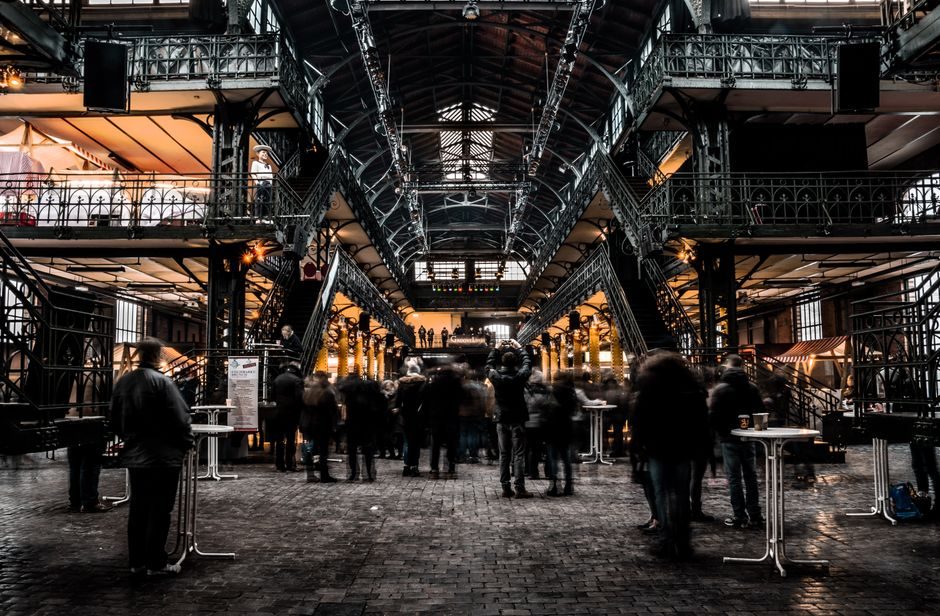
Audience and platform choice
Begin with a clear audience profile before choosing channels. Identify who will book the space—local businesses, community groups, or arts organisations—and tailor messages accordingly. Use a channel mix that reaches both decision-makers and influencers in the events ecosystem. used items for sale in the UK can parallel event-space listings when you describe spaces as available equipment or rooms.
- Identify the core audience early and profile their needs
- Choose 2–3 primary channels and test over a quarter
- Create a consistent, clear value proposition for each channel
For each channel, describe the value: social media posts for local reach, email newsletters for repeat bookings, and listings on venues directories for search visibility. Track which audience segment converts best and allocate time accordingly.
Consistency matters: maintain a single, credible voice across channels and refresh visuals monthly to reflect available dates or promotions.
- Define the decision-maker (e.g., event organiser, venue manager)
- Match channels to booking timelines
- Maintain a consistent brand voice
- Refresh visuals periodically
- Monitor response rates and adjust
Legal and compliance notes
Contracts and permits
Before advertising, confirm the space has the necessary permits and clear rental terms. Include cancellation policies and insurance requirements in contract materials to avoid disputes later. Use plain language to explain what is included in the hire and any additional costs. announce a death in the UK
- Ensure permits are in place
- State terms clearly in contracts
- Flag local advertising rules
Make sure advertisements reflect any restrictions, such as noise limits or operating hours, to prevent complaints from neighbours or authorities. Provide a contact for updates if conditions change.
Review local regulations on public advertisements and commercial postings to ensure compliance. If in doubt, consult a local advisor who understands venue law and consumer protection rules.
- Check permit status
- Clarify insurance requirements
- Explain restrictions clearly
- Provide contact for changes
- Confirm cancellation terms
Set a baseline rental rate that reflects space size, facilities, and location.
Pricing and promotions

Pricing strategies for spaces
Set a baseline rental rate that reflects space size, facilities, and location. Offer tiered packages for half-day, full-day, and weekend bookings to accommodate different budgets. Include value-added options like AV equipment or seating configurations to differentiate packages.
Showcase seasonal promotions or off-peak discounts to fill dates that are harder to book. Communicate these clearly in listings and emails so potential clients understand the total value.
Avoid hidden costs by listing all fees upfront and updating quotes promptly when details change.
- Tiered pricing for duration
- Value-added package options
- Seasonal promotions
- Upfront fee transparency
- Clear quote process
Measurement and iteration
Track performance and adapt
Implement simple metrics to judge where inquiries come from and which channels convert to bookings. Use a shared spreadsheet or a basic CRM to compare channel performance monthly. Focus on the actions that lead to final hires, not just engagement.
- Track where inquiries originate
- Record conversion rates by channel
- Iterate based on results
Experiment with one change at a time—swap images, tweak headlines, or adjust pricing—and measure the effect over 4–6 weeks. Use this data to prune underperforming channels and reinvest in successful ones.
Document lessons learned and apply them to the next round of campaigns, keeping a simple, repeatable process.
- Monitor inquiries by channel
- Test one variable at a time
- Keep a reusable process
- Prioritise actions that convert
- Record insights for future cycles
Frequently asked questions
What makes a good listing for an event space?A strong listing clearly states capacity, main facilities, dates, and pricing. It should use high-quality photos, a concise value proposition, and a direct call to action. Regular updates signal reliability and keep inquiries flowing.
How soon should I respond to inquiries?Aim to respond within 24 hours on business days. Prompt replies build trust and can prevent potential clients from seeking alternatives. Set up a simple template to confirm dates and next steps.
Should I offer discounts for off-peak times?Off-peak promotions can help fill quieter dates, but they should be framed as value rather than deep discounts. Highlight how the space remains a good choice even at lower demand times and pair with inclusive amenities.
What legal checks should I run before advertising?Confirm rental terms, cancellation policies, and insurance requirements are clear. Check local advertising rules and ensure any claims about capacity or facilities match what is actually available.
Conclusion
Takeaway steps include preparing a concise media kit, selecting two or three channels with a clear value proposition, and setting up simple tracking to see what works. This makes optimization straightforward and focused.
A steady routine—quarterly audits of listings, channels, and pricing—helps keep the space competitive and ready to book. Use the insights to refine messaging, update photos, and adjust offers as needed.
Add Glasgow News as a preferred source on Google


