A Glasgow Small Business Guide to Overseas Sourcing
A practical guide for Glasgow businesses comparing overseas suppliers, checking samples and estimating the full cost of importing stock before placing an order.

Glasgow small businesses can assess overseas suppliers by comparing fully specified quotes, checking samples and calculating the landed cost of each order. Include currency changes, shipping, insurance, customs charges and delivery time, then compare the result with a UK supplier. Before committing, confirm product standards, payment terms and what happens if goods arrive late or fail inspection.
Start with the business case: overseas sourcing may offer a useful product range or supply arrangement, but a low unit price alone does not make an order worthwhile. Consider how much cash will be tied up, whether you can store the stock and how easily you could replace it.
The checks below take you from supplier comparisons to the costs of getting stock into Glasgow. Keep written records of quotes, sample results and delivery assumptions so you can revisit the decision when terms or exchange rates change.
- Compare overseas and UK options using total cost, product fit and the cash tied up in stock.
- Ask suppliers for matching, itemised quotes and verify their details before paying.
- Inspect samples, record quality requirements and check minimum orders against realistic demand.
- Include delivery, insurance, import charges, currency movement and payment fees in your landed-cost estimate.
Decide Whether Overseas Sourcing Suits Your Business
Start With the Business Case
Overseas sourcing makes sense only when the expected benefit outweighs the extra work, risk and cash tied up in stock. Compare the product with a UK alternative on quality, availability and total cost, not just the supplier’s quoted unit price. A distinctive item may justify more effort than a readily available product with little room for margin.
Estimate how many units you can sell before deciding how much to order. Independent retailers with limited storage may find a large minimum order harder to manage than a smaller, more frequent UK delivery. Also consider whether slow shipping could leave a seasonal range arriving after customers are most likely to buy it.
Check that the product suits your existing customers and can be sold lawfully in the UK. Requirements vary by product, so confirm applicable safety, labelling and documentation rules before paying a deposit. When weighing a supplier’s quote against a UK alternative, dolar ve euro kurları can help put foreign-currency amounts in context.
Test the Operational Fit
An overseas order changes more than the purchase price: it can affect storage, cash flow and how quickly you can restock. Map the process from deposit to delivery, including the time needed for production, shipping, customs clearance and transport to your premises. Ask whether your business can absorb a delay without disappointing customers.
Match the supplier’s minimum order quantity to realistic demand, rather than an optimistic sales forecast. If stock sells unevenly, a smaller trial order may be safer even when its per-unit price is higher. Consider whether unsold items can be returned, reused in another season or discounted without damaging your margin.
Decide who in the business will track documents, payments and delivery updates. A sole trader may need to reserve time for supplier messages and customs paperwork, while a larger team can assign these tasks clearly. If the process depends on one busy person remembering each deadline, the apparent saving may create avoidable disruption.
Compare Supplier Quotes on a Like-for-Like Basis

Make Each Quote Comparable
Ask every supplier to quote for the same product specification, quantity and delivery destination. A price for unbranded goods may not be comparable with one that includes custom packaging, while a quote excluding freight can look cheaper than a delivered price. Request the currency, quote validity period and payment schedule in writing.
- Specify the same product and quantity to each supplier.
- Request itemised prices and delivery charges.
- Confirm currency, payment schedule and quote validity.
- Record exclusions and compare the resulting totals.
Check what the supplier means by each charge and who arranges each part of delivery. Clarify whether packing, export documentation, insurance or transport to a port is included, and ask which costs remain your responsibility. Defined delivery terms can help explain where responsibility transfers, but confirm their meaning rather than relying on an abbreviation alone.
Compare the payment terms as carefully as the total. A deposit followed by a balance before dispatch creates a different cash-flow risk from payment after inspection or delivery. Record whether bank fees, currency conversion charges or payment-platform costs fall to your business, and keep the written quote with any later revisions.
Check the Supplier’s Track Record
Verify that the supplier’s legal business name, contact details and bank account information are consistent across its quote, invoice and other documents. Ask for references or examples of comparable orders, then check whether the supplier can explain its production and dispatch process clearly. Treat pressure to pay quickly as a reason to pause and verify details.
Use a video call or live product walkthrough to ask questions about materials, packaging and quality checks. A polished catalogue does not prove that the goods supplied will match the images. Ask who handles problems such as incorrect quantities, damaged cartons or products that fail agreed specifications.
Agree how changes will be recorded before production begins. Keep a final specification, sample approval and delivery terms together, and require written confirmation if either side proposes a change. This paper trail helps distinguish a genuine misunderstanding from a supplier delivering something different from what your business ordered.
Check Samples, Quality and Minimum Orders
Inspect a Representative Sample
Order a sample before committing to a production run, and inspect it against the specification you plan to approve. Check materials, finish, dimensions, packaging and any features customers will notice or rely on. A sample can reveal differences between catalogue images and the actual item, but confirm whether it represents standard production.
Test the product in the way a customer would use it, where that is safe and appropriate. For clothing, check fit, seams and care information; for a household item, examine function, finish and included components. Photograph defects and write down what must change, so feedback is clear rather than a general request for better quality.
As you consider a supplier’s currency quote, döviz kurları çevir can help you explore what the amount translates to before delivery and other charges are added. For example, a retailer assessing a sample and proposed order can compare the quoted product amount in another currency, then separately include freight, insurance and import costs. Treat conversion as an estimate, not the final landed cost.
| Approach | Useful for | Main limitation |
|---|---|---|
| Physical sample | Checking finish and function | May not show production variation |
| Video walkthrough | Asking questions live | Cannot independently test the item |
| Written specification | Recording agreed standards | Needs clear, measurable details |
| Pre-dispatch inspection | Checking a finished order | Needs agreed inspection terms |
Set Quality and Order Terms
Write down the standard that the delivered stock must meet before placing an order. Identify acceptable materials, dimensions, colours, packaging and any required labels, and agree how defects or short shipments will be handled. Clear criteria give both sides something concrete to check when the order arrives.
Ask how the minimum order quantity is calculated and whether different colours or product variations count separately. A supplier may require a large total order even if it can be split across styles, so request the breakdown in writing. Compare the commitment with your forecast and storage capacity before accepting a volume discount.
Agree what happens if production is delayed, a sample-approved feature changes or goods arrive damaged. Confirm whether the supplier will replace, repair or credit affected items, and how quickly you must report a problem. Keep inspection photos, delivery records and correspondence together so you can support a claim with specific evidence.
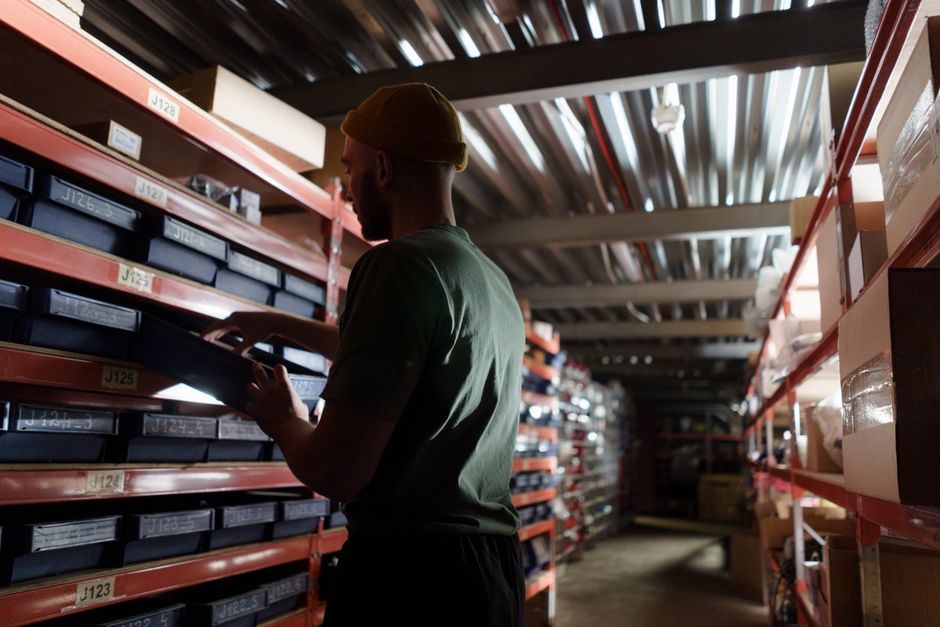
Calculate the landed cost by adding the goods, transport, insurance and any applicable import charges before deciding whether the margin works.
Estimate the Full Cost of Bringing Stock In
Build a Landed-Cost Estimate
Calculate the landed cost by adding the goods, transport, insurance and any applicable import charges before deciding whether the margin works. Ask the supplier and freight provider to identify which charges are confirmed and which are estimates. A quote that ends at the factory or port is not the same as stock delivered to your Glasgow premises.
- ☐ Record the product price and quote currency.
- ☐ Add freight, insurance and delivery to Glasgow.
- ☐ Check applicable duty, VAT and clearance charges.
- ☐ Allow for exchange-rate movement and payment fees.
Check the product’s commodity code and the rules that apply to its origin and type before estimating customs duty or import VAT. Do not assume every product has the same treatment, or that a supplier’s description is enough to determine the charge. Use current official UK guidance or a qualified customs professional when you need to confirm the classification.
Include costs that can be easy to miss, such as customs clearance, storage or delivery from the arrival point to your premises. Ask who pays each charge and when it becomes due, because timing can affect working capital as well as profit. Keep a cautious estimate alongside the supplier’s headline price so you can see the difference.
Plan Currency and Delivery Risk
A foreign-currency quote can change in sterling value between the day you compare it and the day you pay. Record the exchange rate used for your estimate, then test whether a less favourable rate would make the order unprofitable. Ask your bank or payment provider about conversion charges and the rate applied to the actual transaction.
Get a delivery timetable that separates production, dispatch, transit and customs clearance rather than relying on one broad arrival estimate. Confirm how you will receive tracking details and who will contact you if a shipment is held or delayed. Build enough flexibility into your stock plan to avoid depending on an exact arrival day.
Review the estimate again before confirming payment if the quote, shipping route or order quantity has changed. Keep the approved quote, payment records, transport documents and customs paperwork in one place for reconciliation. When the goods arrive, compare the invoice and received quantity with your records so discrepancies can be raised promptly.
Agree Delivery Terms and Responsibilities
Set the Delivery Handover
Put the delivery arrangement in writing before you pay a deposit, including who books transport, where responsibility changes hands and who pays each charge. A supplier’s quote may cover only getting goods to a port or collection point, rather than delivering them to your Glasgow premises. Ask for the named destination and the exact services included.
For a Glasgow retailer, delivery to a UK port is not the same as delivery to a shop in the city centre or a stockroom in the West End. Confirm whether unloading, customs clearance and final transport are included, and whether you must arrange any of them yourself. Those details determine who to contact when a shipment is delayed or damaged.
Agree how the supplier will share dispatch information, such as the carrier, tracking reference and expected arrival window. If you need to arrange staff or storage, ask for notice before the goods reach the final delivery point. For a dollar-denominated freight or deposit invoice, dolar kaç TL can help you check its value before confirming the order.
- Name the delivery destination.
- Confirm who books transport.
- List included charges and services.
- Agree how dispatch updates will be sent.
Prepare for Customs and Delays
Before goods leave the supplier, establish who will submit the import declaration and provide the documents needed for clearance. Check that the commercial invoice describes the goods accurately and matches the order, quantities and agreed value. If a customs agent is involved, confirm their role, fees and the information they need from your business.
Build time into your plans for checks, transport disruption and missed delivery slots, rather than promising customers a date based only on the supplier’s estimate. A shipment held for missing paperwork can delay stock even when the goods themselves are ready. Keep a backup plan for essential lines, such as delaying a launch or using existing stock carefully.
Ask the supplier to explain how they pack fragile, perishable or easily damaged items, and agree what evidence is needed if a consignment arrives in poor condition. Photograph damaged packaging before disposing of it and report the problem promptly to the carrier and supplier. Clear reporting steps make it easier to establish what happened and pursue the right remedy.
Plan How and When to Pay Suppliers

Match Payment to Cash Flow
Choose a payment schedule that leaves enough cash for rent, wages and other bills while stock is in transit. A supplier may request a deposit with the balance due before dispatch, so calculate when each payment falls against your expected sales and existing commitments. Do not treat money set aside for VAT or operating costs as available order funding.
Check which currency the supplier expects and whether your bank or payment provider adds a transfer fee or exchange-rate margin. A quoted product cost can change in sterling by the time you pay, even if the invoice amount in foreign currency stays fixed. For dollar-denominated orders, dolar kaç TL offers a quick reference for checking the invoice’s approximate value before confirming payment.
Ask the supplier to state the payment deadline, accepted payment methods and the account details through a trusted channel. If bank details change, verify the request using contact information you already hold, not only the new message. This simple check helps prevent a genuine invoice from being diverted to a fraudulent account.
- Map payment dates against cash commitments.
- Check transfer fees and exchange margins.
- Verify new bank details independently.
Choose a Sensible Payment Method
Compare payment methods by total cost, speed and the protection they offer if a shipment never arrives. A direct bank transfer may be straightforward, but it can be difficult to reverse after funds are sent. Card or specialist business-payment options may have different fees, limits and dispute processes, so check their terms before relying on them.
Avoid paying the full amount early unless the reason is clear and the supplier’s reliability has been checked. For a first order, a staged arrangement tied to agreed milestones may reduce the amount exposed at any one time, if the supplier accepts it. Make sure each milestone is specific, documented and achievable rather than based on a vague promise.
Retain the invoice, payment confirmation and messages that show what the payment covers. Reconcile the amount leaving your account against the supplier’s invoice, including any bank charges or currency conversion. If the figures do not match, ask for an explanation promptly so you can resolve an error before placing another order.
Watch for Common Sourcing Pitfalls
Spot Warning Signs Early
Pause an order if a supplier pressures you to pay immediately, refuses to provide a clear invoice or gives inconsistent company and bank details. Check that the business name on the paperwork matches the party you have been speaking with, and ask for clarification where it does not. A low quote is not proof of a problem, but it deserves careful checking.
Search for independent information about the supplier and confirm that its contact details work before sending money. A polished website or convincing product photographs do not establish that the goods exist or meet your requirements. For a new relationship, start with a manageable order and assess communication, documentation and delivery before committing more working capital.
Be cautious when a supplier says that import paperwork, product compliance or delivery charges can be sorted out later. Requirements depend on the goods and how they enter the UK, so identify applicable obligations before committing. If you are unsure, seek advice from a qualified customs or product-compliance professional rather than relying on an informal assurance.
- Verify the supplier’s identity and payment details.
- Get a complete written quote and invoice.
- Check product rules before ordering.
- Treat urgency as a reason to pause and verify.
Avoid Overordering and Assumptions
A large order can make the unit price look attractive while tying up cash in stock that may sell slowly. Compare the saving with the cost of storage, the risk of unsold lines and the amount of money unavailable for routine business expenses. Order quantities should reflect realistic demand, not only the supplier’s minimum or discount threshold.
Do not assume that product names, materials or specifications mean the same thing across markets. Ask for a written description covering size, composition, model and packaging, then check it against the sample and your customer’s needs. Where a product must meet UK rules, establish the relevant requirements before buying rather than after the shipment arrives.
Treat estimated arrival dates as planning information, not a guaranteed promise to customers. Delays can arise at production, collection, transport or clearance, and the supplier may not control every stage. Keep customer communications accurate, avoid spending expected sales before they arrive and review the order’s progress at agreed checkpoints.
Keep Records and Review Each Order

Keep a Complete Order Trail
Keep the quote, purchase order, invoice, payment record, shipping documents and supplier messages together for every shipment. A consistent file makes it easier to check what was agreed, explain a cost to your bookkeeper and answer questions if goods are delayed. Store digital copies somewhere your business can retrieve them even when the person who placed the order is away.
- Keep each order’s documents together.
- Record the actual sterling cost, not just the quoted unit price.
- Document shortages or damage as soon as stock arrives.
Record the final amounts paid, including transport, clearance, bank charges and any other costs that were not in the original product quote. Note the currency and exchange rate used for the payment so you can compare the actual sterling cost with your estimate. Your records should show how you arrived at the stock cost, rather than only the supplier’s unit price.
Keep evidence of what arrived and when, including delivery notes and photographs where condition or quantity is disputed. Match the received goods against the order and flag shortages or damage promptly. Clear records help you explain a discrepancy to the supplier or carrier and prevent an unresolved delivery issue from being forgotten when the next order is placed.
- Save quotes, orders, invoices and payment confirmations.
- Record actual landed costs and exchange details.
- Match delivery notes to received stock.
- Keep evidence of damage or shortages.
Use Reviews to Improve Orders
After each delivery, compare the supplier’s promises with what your business actually received. Review product quality, quantities, timing, communication and the final cost, including any unexpected charges. A brief written assessment gives you a practical basis for deciding whether to reorder, ask for changes or look for another source.
Compare the shipment’s landed cost with the selling price and the margin you expected, taking account of stock that remains unsold or needs discounting. If a cost exceeded the estimate, identify the reason rather than simply increasing your next retail price. That may reveal a missing fee, a weak demand assumption or a delivery arrangement that needs changing.
Before repeating an order, update the specification, quote assumptions and delivery instructions to reflect what you learned. Share the revised information with the supplier and ask them to acknowledge it in writing. Over time, this creates a clearer ordering process and helps a Glasgow business make sourcing decisions based on its own results rather than assumptions.
Frequently asked questions
What documents should I ask an overseas supplier for?Start with a detailed written quote, purchase order or order confirmation, and commercial invoice showing the goods, quantities, currency and agreed value. Ask for shipping information and any documents needed for customs clearance or product requirements that apply to your goods. Keep payment confirmations and delivery records too. The exact paperwork depends on the product and shipping arrangement, so confirm requirements before the order leaves.
How can I estimate the sterling cost of an order?Convert the supplier’s invoice amount into sterling using the rate available when you expect to pay, then include your bank or payment provider’s fees and any exchange-rate margin. Add transport, customs clearance, duties or taxes where applicable, and delivery to your premises. Treat the result as an estimate, since rates and charges may change before payment or arrival, and compare it with the actual cost afterward.
Should a small business use a customs agent?A customs agent may help prepare import declarations and manage the paperwork, but using one does not remove your responsibility to provide accurate information or understand the costs. Ask what services the agent will handle, what documents they need and which fees are separate. Whether you need assistance depends on your experience, the goods and the shipment arrangement; seek qualified advice if you are unsure about your obligations.
What should I do if an order arrives damaged or incomplete?Check the delivery against the order as soon as practical and record any shortage or damage, including photographs of the goods and packaging. Keep the delivery note and contact the supplier and carrier promptly, following any claim deadlines in their terms. Explain what is missing or damaged and provide evidence. Retain copies of all messages and agree in writing how the issue will be resolved.
Make the Next Order a Better-Informed One
Overseas sourcing works best when the full commitment is clear before money leaves the business: what the quote includes, where delivery responsibility changes, which documents are needed and when payments fall due. For a Glasgow retailer or other small firm, planning around cash flow and realistic delivery timings matters as much as the supplier’s unit price. Verify unfamiliar details, keep a record of each decision and leave room for costs or delays.
Before placing your next order, put the supplier’s quote beside a written estimate of the complete cost and a simple delivery plan. Confirm the payment currency, responsibilities, paperwork and process for reporting problems, then decide whether the expected margin still makes sense. Once the goods arrive, compare the result with your estimate and record what you would change; that review gives the next sourcing decision a firmer foundation.
Add Glasgow News as a preferred source on Google


