Introduction
Independence Day, a symbol of freedom and national pride, is celebrated with great fervor across the globe. While the United States’ Fourth of July is perhaps the most well-known, numerous countries have their own unique traditions and festivities to mark their independence. This article explores how different nations celebrate their sovereignty, highlighting the cultural diversity and shared spirit of freedom that unites these celebrations.
The United States: A Grand Spectacle
The United States commemorates its independence from British rule on July 4th with a grand spectacle of fireworks, parades, and barbecues. Cities across the country come alive with patriotic displays, with New York City being a notable highlight. The city hosts some of the best Fourth of July barbecue spots in NYC, offering a blend of culinary delights and festive atmospheres. From the iconic Macy’s fireworks display over the Hudson River to the Nathan’s Hot Dog Eating Contest on Coney Island, the celebrations are a testament to American culture and unity.
India: A Vibrant Display of Patriotism
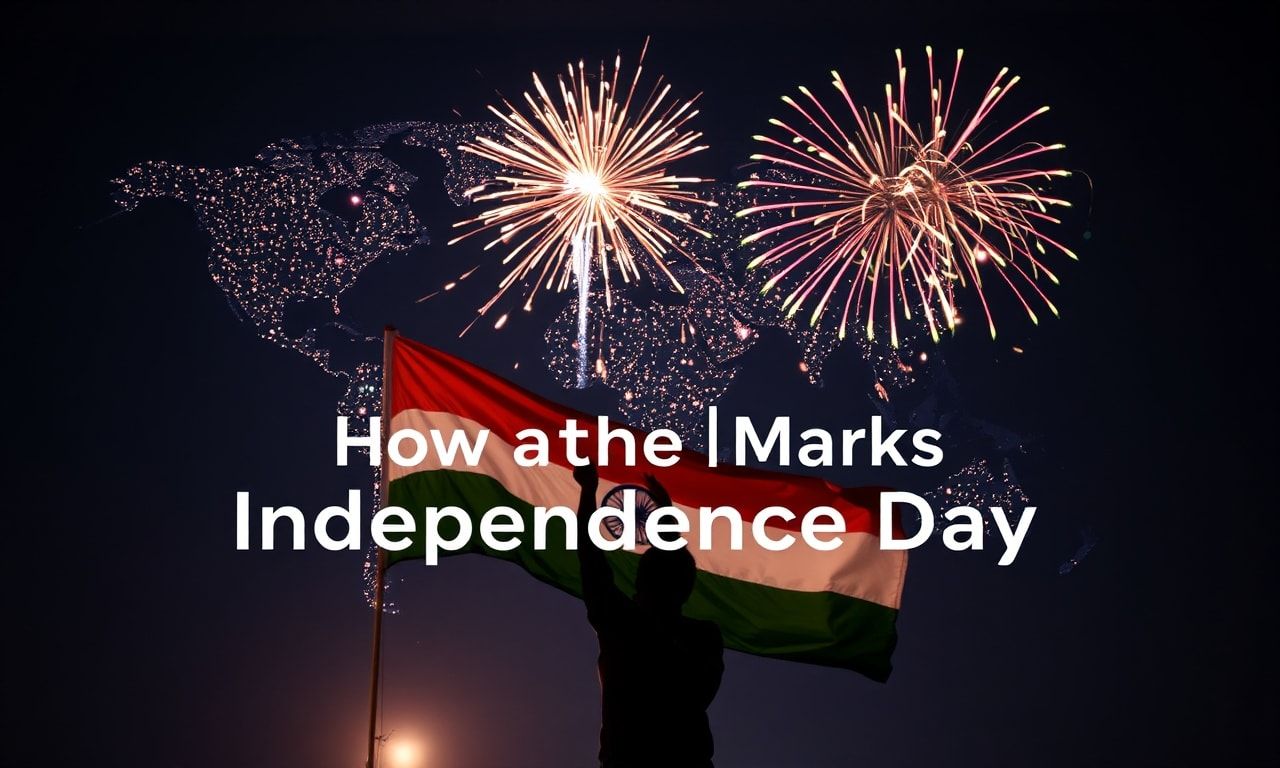
India celebrates its independence from British colonial rule on August 15th with a vibrant display of patriotism. The day begins with the Prime Minister hoisting the national flag at the Red Fort in Delhi, followed by a speech that addresses the nation. Schools, colleges, and communities organize cultural programs, including patriotic songs, dances, and plays. The sky is illuminated with fireworks, and buildings are adorned with the tricolor flag, creating a sea of saffron, white, and green.
Brazil: A Carnival of Freedom
Brazil’s Independence Day on September 7th is marked by a carnival-like atmosphere. The celebrations kick off with a military parade in Brasília, featuring the President and other dignitaries. Streets are filled with people waving Brazilian flags and wearing green and yellow attire. Samba music and dance performances add to the festive spirit, making it a day of joy and national pride.
Mexico: A Day of Remembrance and Celebration
Mexico’s Independence Day, known as ‘Día de la Independencia,’ is celebrated on September 16th. The day begins with the reenactment of Father Miguel Hidalgo’s famous ‘Grito de Dolores,’ a call to arms that sparked the Mexican War of Independence. This is followed by fireworks, parades, and traditional folk dances. Mexican cuisine takes center stage, with street vendors offering tacos, tamales, and other delicacies. The celebrations continue late into the night, with music and dancing in the streets.
France: Bastille Day and the Spirit of Liberty
France commemorates its independence on July 14th, known as Bastille Day. The day marks the storming of the Bastille in 1789, a pivotal event in the French Revolution. Celebrations include a military parade on the Champs-Élysées in Paris, attended by the President and other officials. The Eiffel Tower is illuminated with fireworks, and the sky is filled with the colors of the French flag. Traditional French cuisine, such as baguettes, croissants, and wine, is enjoyed by locals and tourists alike.
Conclusion
Independence Day celebrations around the world are a testament to the universal values of freedom, democracy, and national pride. Whether it’s the grand spectacle of the United States, the vibrant displays of India, the carnival atmosphere of Brazil, the remembrance and celebration of Mexico, or the spirit of liberty in France, each country’s unique traditions reflect its rich cultural heritage. These celebrations not only honor the past but also inspire future generations to cherish and protect the hard-won freedoms that define their nations.