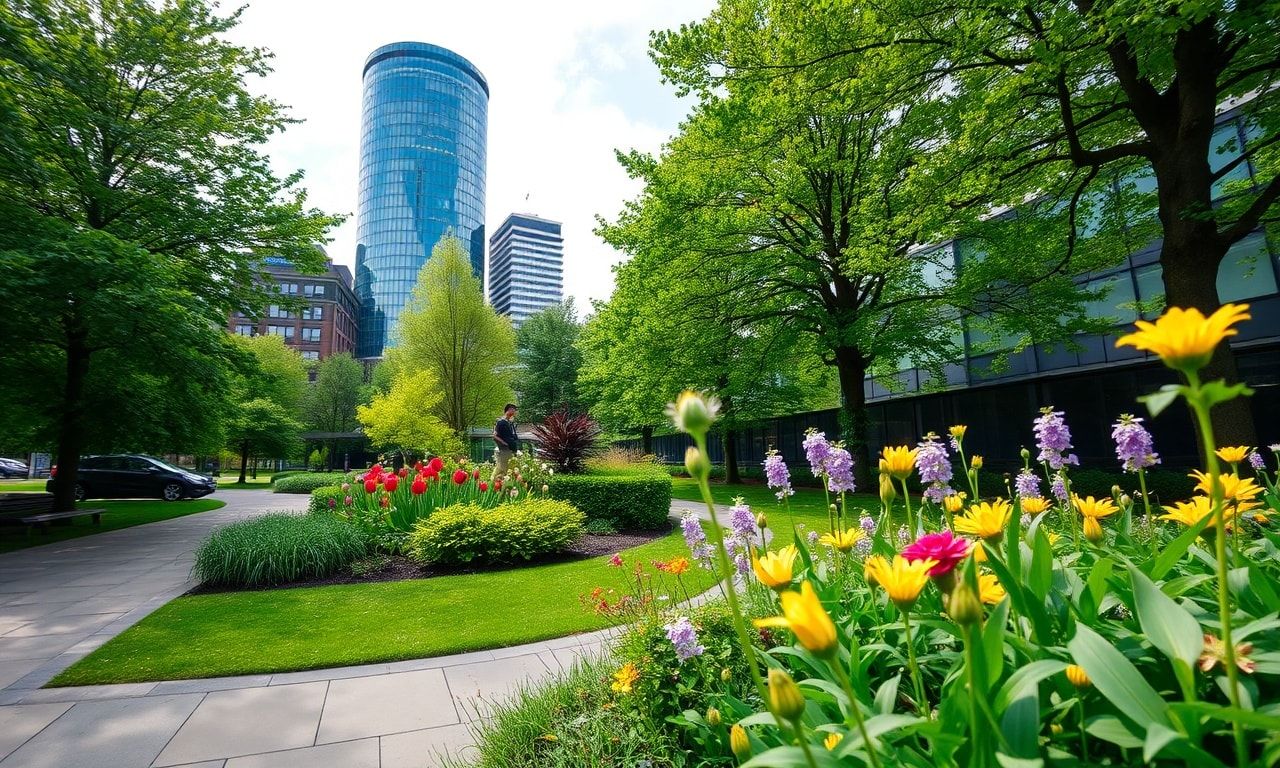
The Importance of Urban Green Spaces
In the heart of Scotland’s largest city, Glasgow, urban green spaces play a pivotal role in enhancing the quality of life for its residents. These spaces, ranging from parks to community gardens, offer a sanctuary from the city’s bustling streets, providing a place for relaxation, recreation, and social interaction. As urbanization continues to shape our cities, the importance of preserving and creating these green spaces cannot be overstated.
The Benefits of Green Spaces
Urban green spaces offer a multitude of benefits. They act as lungs for the city, absorbing carbon dioxide and releasing oxygen, thereby improving air quality. These spaces also help to mitigate the urban heat island effect, where cities are significantly warmer than their surrounding rural areas. Moreover, green spaces contribute to the city’s biodiversity, providing habitats for various plant and animal species.
From a social perspective, urban green spaces foster a sense of community. They serve as venues for community events, sports activities, and informal gatherings. Studies have shown that access to green spaces can improve mental health, reduce stress, and encourage physical activity. In Glasgow, where the weather can often be unpredictable, having accessible green spaces is a boon for residents seeking a respite from indoor confinement.
Economic Impact
The economic impact of urban green spaces is also noteworthy. Well-maintained parks and gardens can increase property values in surrounding areas, attract tourists, and support local businesses. For instance, Glasgow’s Kelvingrove Park and Botanic Gardens are popular attractions that draw visitors from across the globe, contributing to the local economy.
Challenges and Solutions
Despite the numerous benefits, urban green spaces face several challenges. Urban sprawl, limited funding, and maintenance issues are among the primary concerns. To address these, city planners and policymakers must prioritize the preservation and creation of green spaces. Community involvement is also crucial, as local residents can provide valuable insights and support for these initiatives.
Innovative solutions, such as vertical gardens and rooftop parks, can help maximize the use of limited space in urban areas. Additionally, partnerships with environmental organizations and businesses can provide the necessary resources and expertise for maintaining and expanding green spaces. For example, initiatives like the edinburgh golf news updates have highlighted the potential for repurposing underutilized land for recreational and environmental purposes.
Community Involvement
Community involvement is key to the success of urban green space initiatives. Local residents can participate in planting and maintenance activities, organize events, and advocate for the preservation of these spaces. Schools and educational institutions can also play a role by incorporating environmental education into their curricula and encouraging students to engage in community green projects.
Case Studies: Glasgow’s Green Spaces
Glasgow boasts several notable green spaces that serve as models for other cities. The Glasgow Green, one of the city’s oldest parks, offers a variety of recreational facilities, including sports fields, walking paths, and a skatepark. The park also hosts major events, such as the Glasgow International Comedy Festival and the World Pipe Band Championships.
Another example is the Pollok Country Park, which is home to the Burrell Collection, one of the world’s finest art collections. The park’s extensive woodlands, gardens, and open spaces provide a serene environment for visitors to enjoy nature and the arts. The park’s management has successfully integrated conservation efforts with recreational activities, ensuring that the space remains accessible and enjoyable for all.
Future Prospects
Looking ahead, the future of Glasgow’s urban green spaces appears promising. The city has made significant strides in promoting sustainability and environmental awareness. Initiatives such as the Glasgow Green Deal and the City’s Climate Plan aim to create a greener, more resilient urban environment. By continuing to invest in and prioritize green spaces, Glasgow can enhance the well-being of its residents and set an example for other cities to follow.
In conclusion, urban green spaces are essential components of a healthy, vibrant city. They offer numerous environmental, social, and economic benefits, and their preservation and creation should be a priority for city planners and policymakers. With community involvement and innovative solutions, Glasgow can continue to thrive as a green and sustainable city.
To stay informed about the latest developments worldwide, consider exploring recent global news highlights that shape our understanding of current events.
Amidst global challenges, local resilience shines through in Stirling’s community spirit, offering a glimpse into the strength of community bonds during trying times.