Introduction
Glasgow, the largest city in Scotland, has long been recognized for its rich cultural heritage and vibrant urban life. In recent years, the city has also gained attention for its innovative approaches to urban cleanliness and sustainability. This article explores Glasgow’s unique strategies and initiatives aimed at maintaining a clean and healthy environment for its residents and visitors alike.
The Role of Community Engagement
One of the cornerstones of Glasgow’s success in urban cleanliness is its strong emphasis on community engagement. The city has launched numerous programs that encourage residents to take an active role in keeping their neighborhoods clean. For instance, the ‘Clean Glasgow’ initiative involves local communities in regular clean-up drives, which not only help in maintaining cleanliness but also foster a sense of ownership and pride among residents.
In addition to community clean-up drives, Glasgow has also implemented educational programs in schools and community centers to raise awareness about the importance of cleanliness and sustainability. These programs teach children and adults alike about proper waste disposal, recycling, and the benefits of a clean environment. By involving the community in these efforts, Glasgow has been able to create a culture of cleanliness that is both sustainable and effective.
Innovative Waste Management Solutions
Glasgow has also been at the forefront of innovative waste management solutions. The city has invested heavily in modern waste processing facilities that use advanced technologies to recycle and repurpose waste materials. This not only reduces the amount of waste that ends up in landfills but also creates new opportunities for recycling and reuse.
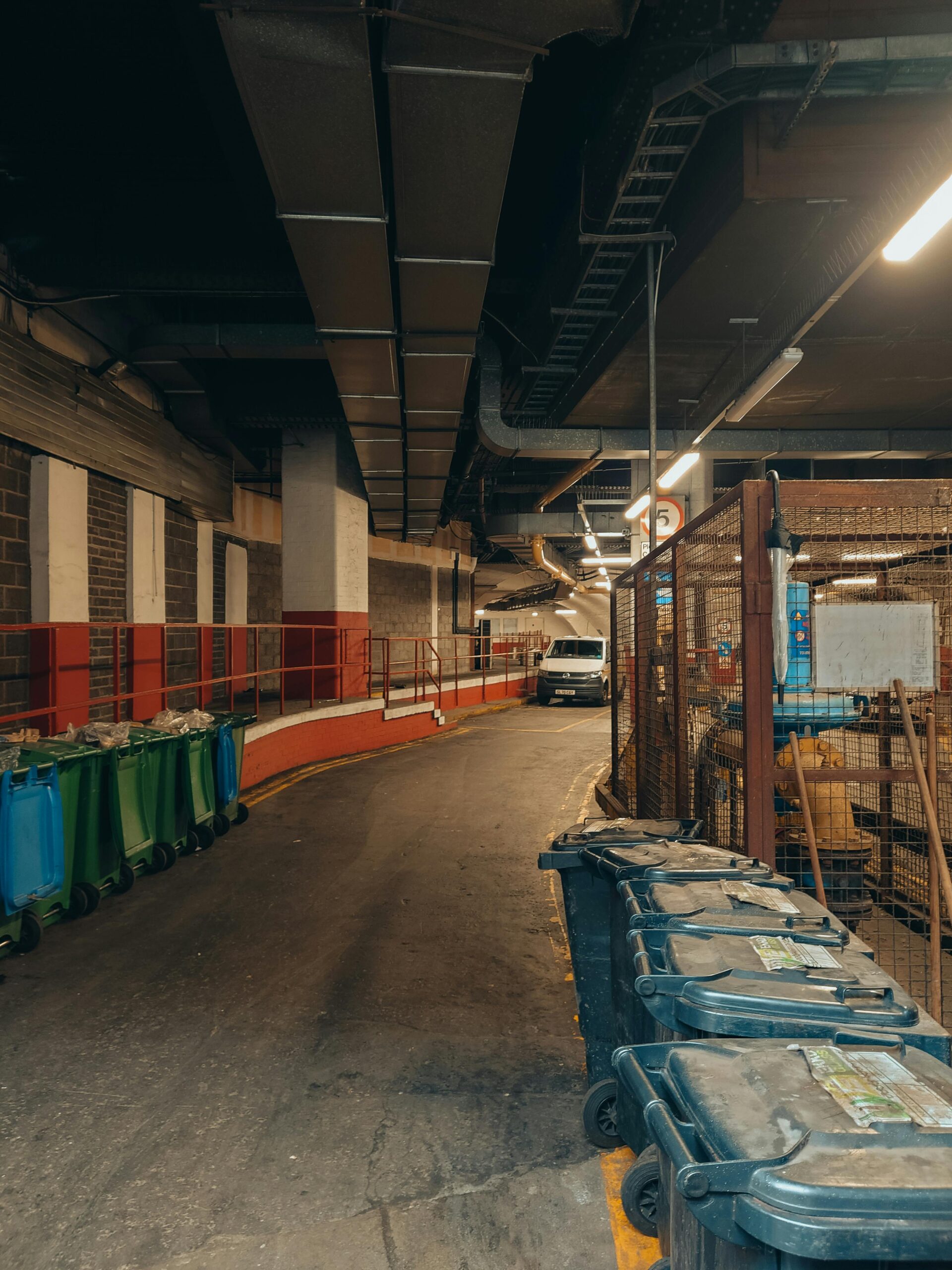
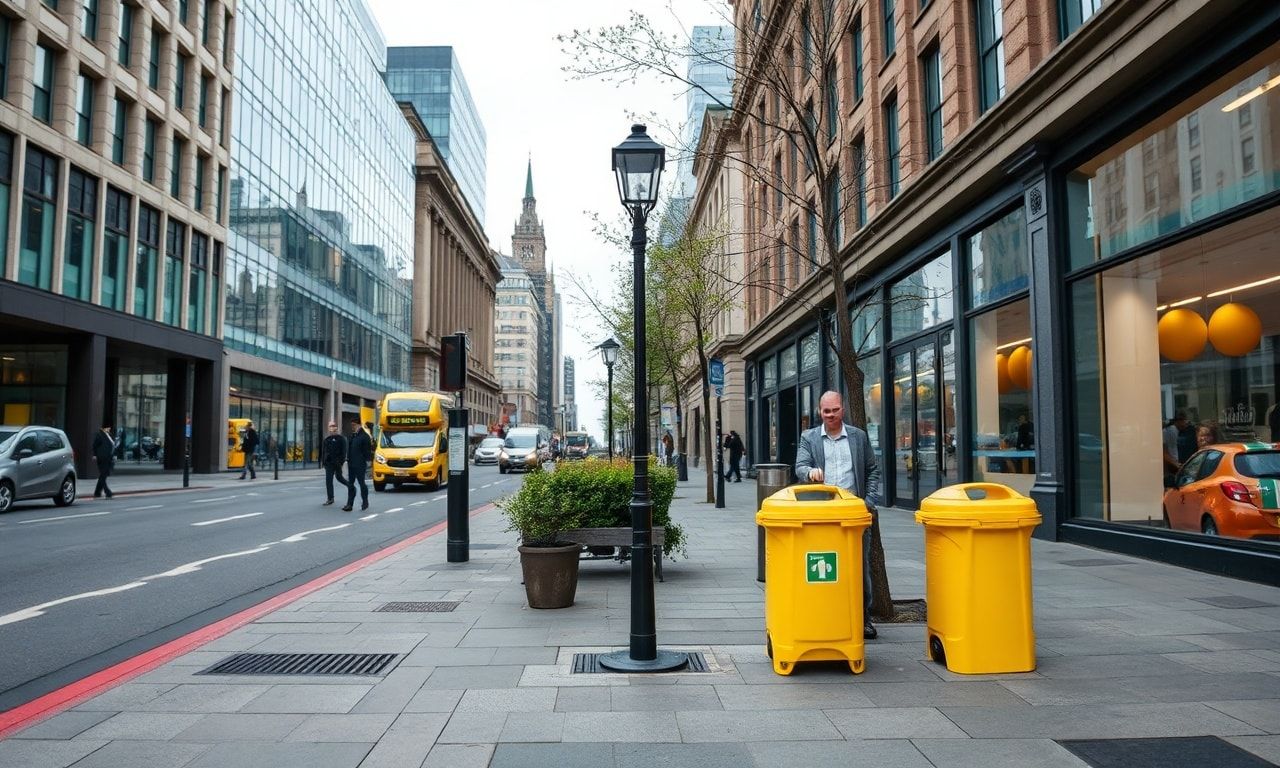
One of the most notable initiatives in this area is the introduction of a city-wide recycling program. Residents are provided with specially designed bins for different types of waste, including paper, plastic, and organic waste. The city has also set up numerous recycling centers where residents can drop off their recyclable materials. This comprehensive approach to waste management has significantly reduced the city’s environmental footprint and set a benchmark for other cities to follow.
Public Health and Cleanliness
The connection between public health and cleanliness cannot be overstated. Glasgow has recognized this and has taken significant steps to ensure that its public spaces are clean and hygienic. The city has implemented a rigorous cleaning schedule for its streets, parks, and public facilities. This includes regular sweeping, washing, and disinfecting of public areas to prevent the spread of diseases and ensure a healthy environment for all.
In addition to regular cleaning, Glasgow has also introduced initiatives to promote personal hygiene. For example, the city has installed hand-washing stations in public areas and has launched campaigns to educate the public about the importance of hand hygiene. These efforts have been particularly important in the wake of the COVID-19 pandemic, which has highlighted the critical role of cleanliness in public health.
Natural Cleaning Routines
Incorporating natural cleaning routines into daily life can have a profound impact on both personal and public health. Many residents in Glasgow have adopted practices such as using natural cleaning products and maintaining a clean living environment. For those looking to integrate günlük hayata doğal bir temizlik rutini, resources and guides are available to help individuals make the transition to more sustainable and natural cleaning methods. This not only benefits the environment but also contributes to the overall cleanliness and health of the community.
Technological Advancements
Glasgow has also leveraged technology to enhance its cleanliness efforts. The city has implemented a smart waste management system that uses sensors to monitor waste levels in public bins. This allows for more efficient waste collection and reduces the likelihood of overflowing bins, which can be both unsightly and unhygienic.
Furthermore, Glasgow has introduced an app that allows residents to report issues such as littering, graffiti, and damaged public facilities. This app not only helps the city to respond more quickly to these issues but also encourages residents to take an active role in maintaining the cleanliness of their city. By using technology in this way, Glasgow has been able to create a more responsive and efficient system for managing urban cleanliness.
Conclusion
Glasgow’s innovative approach to urban cleanliness serves as a model for cities worldwide. Through community engagement, innovative waste management solutions, a focus on public health, and the use of technology, Glasgow has been able to create a clean and sustainable environment for its residents. These efforts not only enhance the quality of life for those living in the city but also set a benchmark for other cities to follow. As Glasgow continues to innovate and improve its cleanliness initiatives, it is poised to remain a leader in urban sustainability and environmental health.