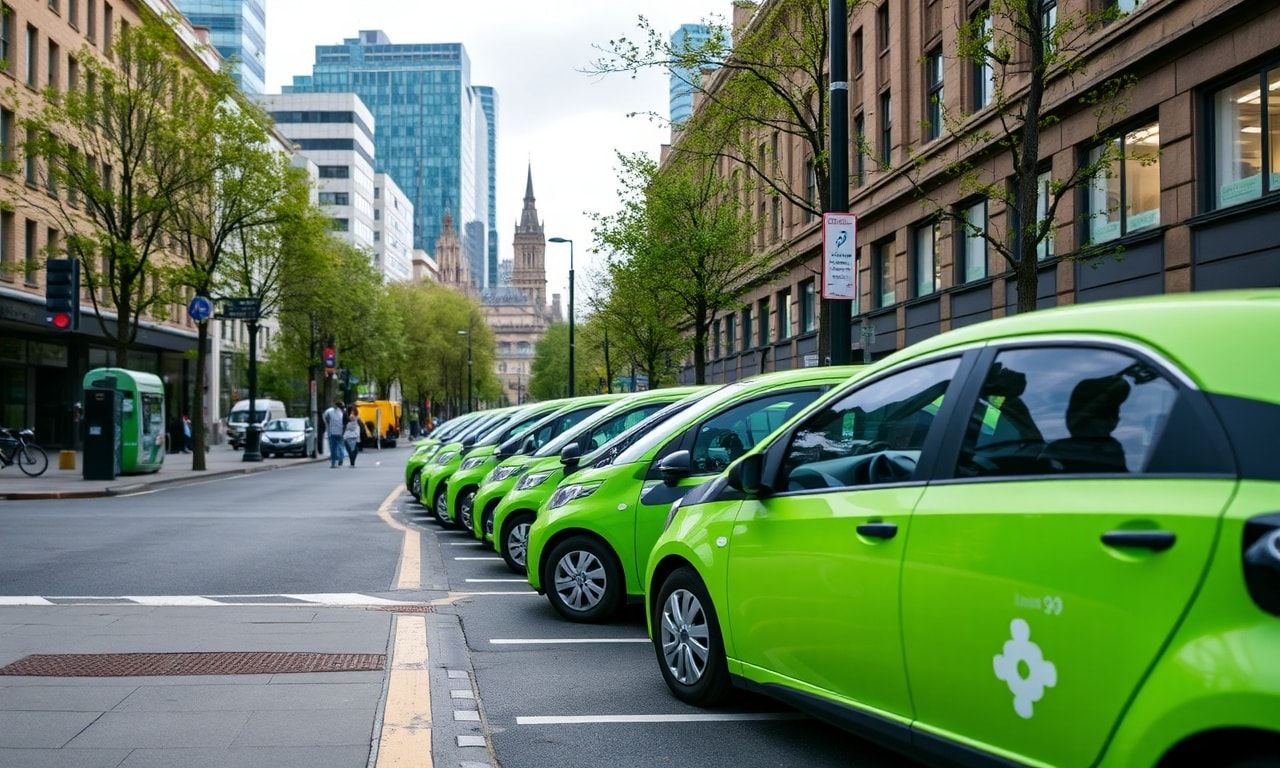
The Shift to Electric Vehicles in Glasgow
Glasgow, a city known for its rich history and vibrant culture, is making significant strides towards a sustainable future. The transition to electric vehicles (EVs) is at the forefront of this green revolution. With the UK government’s commitment to ban the sale of new petrol and diesel cars by 2030, Glasgow is proactively embracing this change, setting an example for other cities to follow.
Incentives and Initiatives
The city council has introduced a series of incentives to encourage residents to switch to electric vehicles. These include subsidies for purchasing EVs, expanded charging infrastructure, and preferential parking and tax benefits. The Glasgow City Council has also partnered with local businesses to offer discounts on EV-related services, making the transition more accessible and affordable for all.
One of the key initiatives is the installation of over 1,000 new charging points across the city by 2025. This expansion is crucial for addressing range anxiety, a significant barrier to EV adoption. The charging points will be strategically placed in residential areas, workplaces, and public spaces to ensure convenience and accessibility for all residents.
The Role of Public Transport
Glasgow’s public transport system is also undergoing a green transformation. The city’s bus fleet is gradually being replaced with electric and hybrid buses, significantly reducing emissions. The Subway, Glasgow’s underground rail system, is exploring options for electrification to further enhance its sustainability.
The integration of electric vehicles into public transport is not only beneficial for the environment but also for the city’s economy. It creates new job opportunities in the maintenance and operation of electric vehicles and infrastructure, contributing to local economic growth.
Challenges and Solutions
Despite the progress, Glasgow faces challenges in its transition to electric vehicles. One of the main issues is the initial cost of EVs, which can be higher than traditional petrol and diesel vehicles. To address this, the city council is working with financial institutions to offer low-interest loans and lease options for residents.
Another challenge is the need for a robust and reliable charging infrastructure. To ensure that charging points are well-maintained and accessible, the city council is collaborating with private companies and community organizations. This partnership approach ensures that the infrastructure meets the needs of all residents, including those in rural and less accessible areas.
The Future of Electric Vehicles in Glasgow
Looking ahead, Glasgow aims to become a leader in sustainable urban mobility. The city is exploring innovative technologies such as wireless charging and vehicle-to-grid (V2G) systems, which allow EVs to store and supply energy back to the grid. These advancements will further enhance the efficiency and sustainability of Glasgow’s transport system.
For the latest updates and insights on electric vehicle models and technologies, residents can visit elektrikli araba yeni modeller haberleri 2026. This resource provides comprehensive information on new EV models, charging solutions, and industry trends, helping Glasgow residents stay informed and make informed decisions about their transition to electric vehicles.
In conclusion, Glasgow’s commitment to electric vehicles and sustainable urban mobility is a testament to its dedication to a greener future. Through innovative initiatives, community engagement, and strategic partnerships, the city is paving the way for a cleaner, more sustainable urban environment. As Glasgow continues to evolve, it serves as a model for other cities striving to achieve similar goals.
As electric vehicles gain traction globally, Türkiye’s EV infrastructure developments offer a fascinating look at the future of mobility in the region.