Glasgow’s Green Transition: A Comprehensive Plan
Glasgow City Council has recently unveiled an ambitious 10-year plan aimed at transforming the city into a beacon of sustainability and green innovation. The plan, dubbed ‘Glasgow Green 2030,’ outlines a series of initiatives designed to reduce the city’s carbon footprint, promote renewable energy, and enhance green spaces. This comprehensive strategy comes as part of Glasgow’s commitment to combating climate change and achieving net-zero emissions by 2045.
Key Initiatives and Milestones
The Glasgow Green 2030 plan includes several key initiatives and milestones. Among the most notable are:
- Renewable Energy Expansion: The city aims to source 50% of its energy from renewable sources by 2025, with a target of 100% renewable energy by 2030.
- Green Transportation: Glasgow plans to significantly expand its network of cycling lanes and pedestrian paths, with a goal of reducing car traffic by 30% within the next decade.
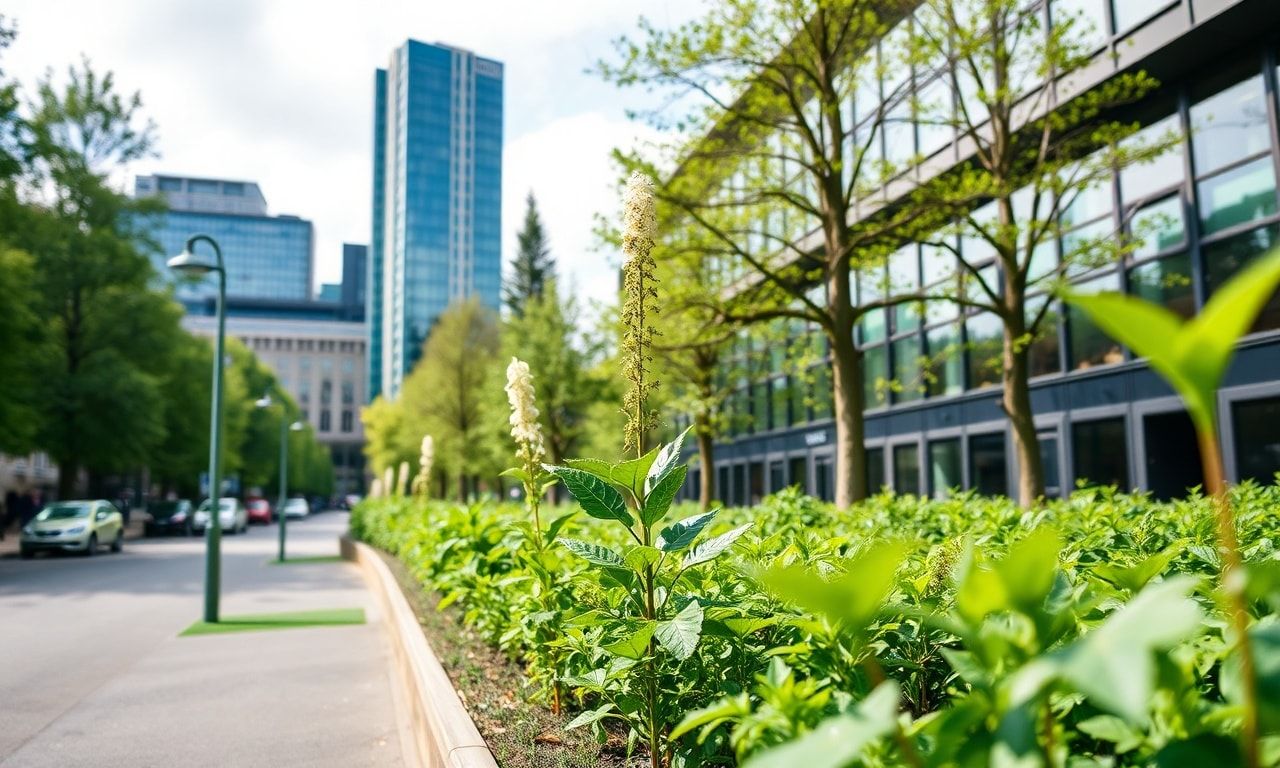
- Urban Green Spaces: The city will invest in the creation and maintenance of urban green spaces, aiming to increase the number of parks and community gardens by 20% by 2030.
- Waste Management: Glasgow aims to achieve a 70% recycling rate by 2030, up from the current 50%. This will involve the implementation of new waste management technologies and community education programs.
Financial and Regulatory Considerations
To support these initiatives, the Glasgow City Council has outlined a series of financial and regulatory measures. These include:
Increased funding for green infrastructure projects, with a focus on renewable energy and sustainable transportation. The council has also proposed a series of tax incentives for businesses that adopt sustainable practices. For more information on how these tax law changes might affect your business, you can refer to the tax law changes update 2026.
The council plans to introduce stricter regulations on carbon emissions, with a focus on reducing emissions from industrial sources. This will involve the implementation of a carbon trading system, which will allow businesses to buy and sell carbon credits.
Community Engagement and Education
Central to the Glasgow Green 2030 plan is the involvement and engagement of the local community. The council plans to launch a series of public awareness campaigns aimed at educating residents about the importance of sustainability and the role they can play in achieving Glasgow’s green goals.
These campaigns will include workshops, seminars, and community events focused on topics such as energy efficiency, waste reduction, and sustainable transportation. The council will also work with local schools to incorporate sustainability education into the curriculum, with the aim of fostering a culture of environmental stewardship among Glasgow’s youth.
Challenges and Opportunities
The Glasgow Green 2030 plan is not without its challenges. The city faces significant financial and logistical hurdles in implementing such an ambitious strategy. However, the council is confident that the benefits of the plan will far outweigh the challenges.
By transitioning to a green economy, Glasgow has the opportunity to create new jobs and attract investment in sustainable technologies. The city also stands to benefit from improved public health outcomes, as a result of reduced air pollution and increased access to green spaces.
In conclusion, the Glasgow Green 2030 plan represents a bold and visionary approach to addressing the challenges of climate change. By setting ambitious targets and engaging the local community, Glasgow is poised to become a leader in sustainability and green innovation. The success of the plan will depend on the collective efforts of the city council, local businesses, and residents, but the potential rewards are significant and far-reaching.