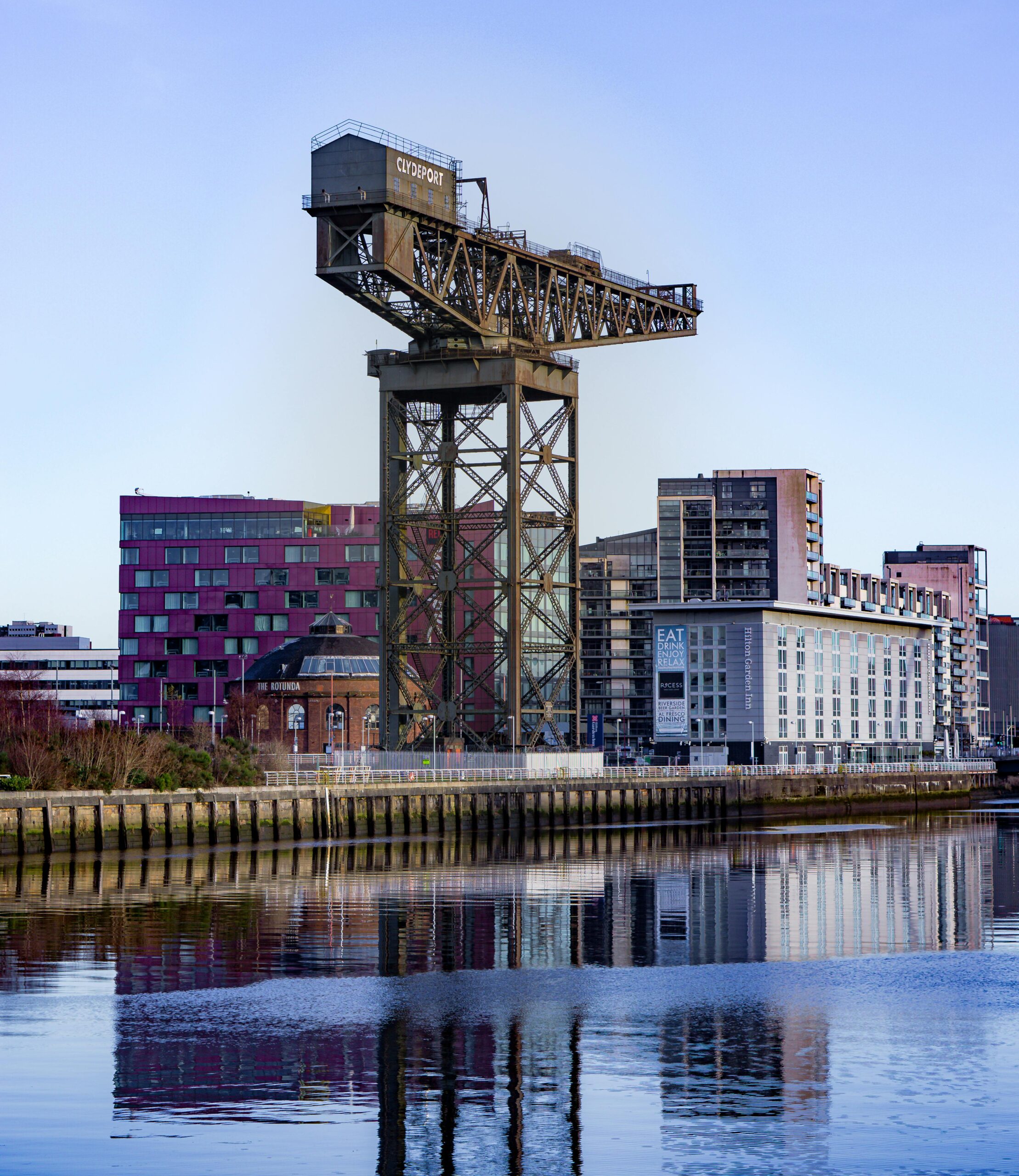
The Vision for a Greener Glasgow
Glasgow, the largest city in Scotland, has set an ambitious goal to become one of the greenest cities in Europe by 2030. This vision is not just about reducing the city’s carbon footprint but also about creating a more livable environment for its residents. The city’s green transition plan encompasses a wide range of initiatives, from renewable energy projects to sustainable urban planning and community engagement.
Renewable Energy Initiatives
One of the cornerstones of Glasgow’s green transition is its commitment to renewable energy. The city has been actively investing in wind, solar, and hydroelectric power projects. These initiatives are aimed at reducing reliance on fossil fuels and decreasing greenhouse gas emissions. Glasgow’s renewable energy projects are not only beneficial for the environment but also create job opportunities and stimulate economic growth.
For instance, the city has seen a significant increase in wind farms, both onshore and offshore. These projects have been instrumental in meeting the city’s energy needs while contributing to the national grid. Additionally, Glasgow has been exploring innovative ways to harness solar energy, including the installation of solar panels on public buildings and residential homes. These efforts are part of a broader strategy to make Glasgow a leader in sustainable energy solutions.
Community Engagement and Education
Glasgow’s green transition is not just about large-scale projects; it also involves community engagement and education. The city has launched various programs to educate residents about the importance of sustainability and how they can contribute to the green transition. These programs include workshops, seminars, and community events that focus on topics such as energy efficiency, waste reduction, and sustainable living.
Schools and universities in Glasgow are also playing a crucial role in promoting sustainability. Many educational institutions have incorporated environmental studies into their curricula and are actively involved in research projects related to renewable energy and sustainable urban planning. This educational focus ensures that the next generation is well-equipped to continue Glasgow’s green transition.
Sustainable Urban Planning
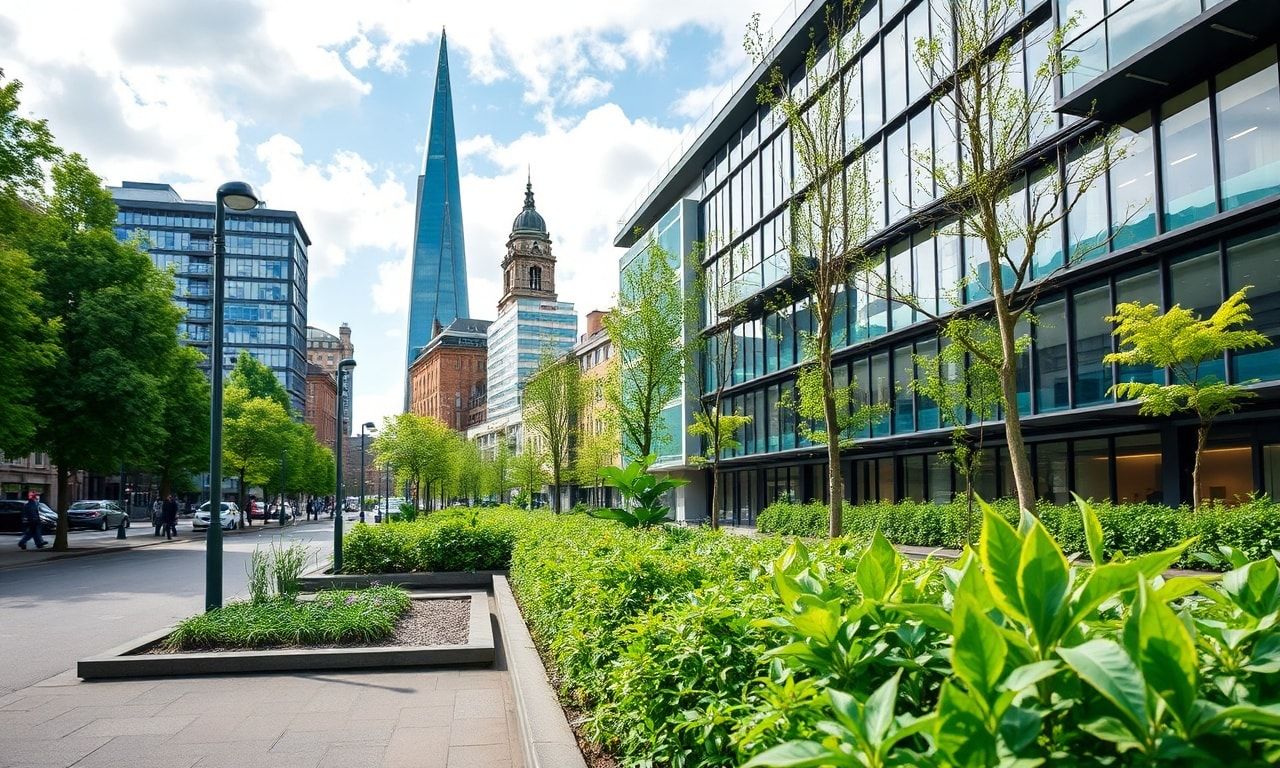
Sustainable urban planning is another key aspect of Glasgow’s green transition. The city is focusing on creating green spaces, improving public transportation, and promoting sustainable housing. These initiatives aim to reduce urban sprawl, decrease traffic congestion, and enhance the overall quality of life for residents.
Glasgow has been investing in the development of parks, gardens, and green belts. These green spaces not only provide recreational areas for residents but also help to improve air quality and reduce the urban heat island effect. The city has also been working on expanding its public transportation network, including the introduction of electric buses and the development of cycling infrastructure.
In addition to these efforts, Glasgow is promoting sustainable housing through the construction of energy-efficient homes and the retrofitting of existing buildings. These initiatives are designed to reduce energy consumption and lower carbon emissions. The city is also encouraging the use of renewable energy sources in residential areas, such as solar panels and heat pumps.
Economic Implications and Global Impact
Glasgow’s green transition has significant economic implications. The city’s focus on renewable energy and sustainable urban planning has created new job opportunities and stimulated economic growth. These initiatives have also attracted investment from both domestic and international sources, further boosting the local economy.
Moreover, Glasgow’s green transition has a global impact. The city’s efforts to reduce carbon emissions and promote sustainability serve as a model for other urban areas around the world. Glasgow’s experience demonstrates that it is possible to achieve significant environmental improvements while also fostering economic growth and enhancing the quality of life for residents.
For those interested in the broader economic context, exploring aktuelle markedstrends i Danmark can provide valuable insights into how other regions are addressing similar challenges and opportunities.
Challenges and Future Prospects
Despite the progress made, Glasgow’s green transition faces several challenges. These include securing sufficient funding, overcoming regulatory hurdles, and ensuring community support. However, the city is committed to addressing these challenges and continues to make strides towards its sustainability goals.
The future prospects for Glasgow’s green transition are promising. The city’s ambitious plans and ongoing initiatives are expected to yield significant environmental, economic, and social benefits. As Glasgow continues to lead by example, it is poised to become a model for sustainable urban development not only in Europe but also globally.
Conclusion
Glasgow’s green transition is a testament to the city’s commitment to sustainability and its vision for a greener future. Through renewable energy initiatives, sustainable urban planning, community engagement, and education, Glasgow is making significant progress towards its goals. The city’s efforts serve as an inspiration for other urban areas seeking to achieve similar outcomes. As Glasgow continues to innovate and adapt, it is well on its way to becoming one of the greenest cities in Europe.
In the midst of today’s fast-paced news cycle, it’s important to remember engaging educational activities for children, as highlighted in fun learning activities for kids.
As the financial world continues to evolve, senior investors can gain valuable insights from our latest feature, essential financial advice for seniors.
In the ever-evolving world of arts and finance, understanding the intersection of creativity and financial planning is crucial; explore this dynamic relationship in navigating artistic financial landscapes.