Introduction
Glasgow, the largest city in Scotland, has been making significant strides in its journey towards sustainability. With a commitment to reducing carbon emissions and promoting green energy, the city is setting an example for urban areas worldwide. This article delves into the various initiatives and projects that are driving Glasgow’s green transition, highlighting the city’s dedication to a more sustainable future.
Renewable Energy Projects
One of the cornerstones of Glasgow’s green transition is its investment in renewable energy projects. The city has been actively promoting the use of wind, solar, and hydroelectric power. The Whitelee Windfarm, located on the outskirts of Glasgow, is one of the largest onshore windfarms in the UK, contributing significantly to the city’s renewable energy portfolio. Additionally, solar panel installations have been encouraged through various incentives, making it easier for residents and businesses to adopt this clean energy source.
For more insights into sustainable energy projects, you might find popular articles recommended reading that explore similar initiatives in other regions. These resources can provide a broader perspective on the global shift towards renewable energy.
Community Involvement
The success of Glasgow’s green transition is largely attributed to the active involvement of its community. Local residents have been engaged in various programs aimed at promoting sustainable practices. Community energy projects, such as the Glasgow Community Energy, have been established to empower locals to generate and manage their own renewable energy. These projects not only reduce carbon emissions but also foster a sense of ownership and responsibility among the community members.
Transportation Initiatives
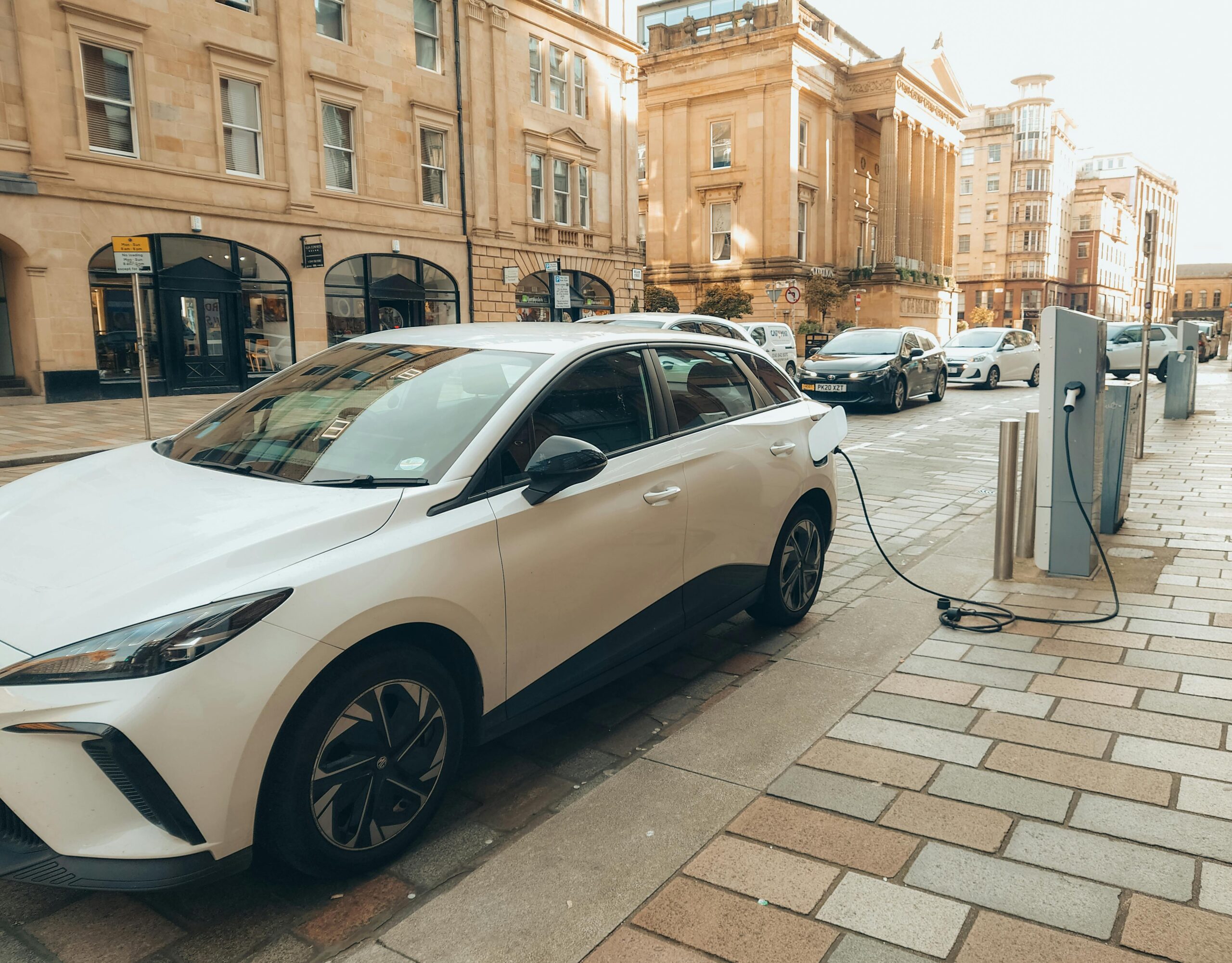
Glasgow has also made significant progress in transforming its transportation sector to be more environmentally friendly. The city has expanded its network of cycle paths and pedestrian zones, encouraging residents to opt for greener modes of transport. The Subway system, a vital part of Glasgow’s public transport, has been upgraded to reduce energy consumption and emissions. Furthermore, the introduction of electric buses and the installation of electric vehicle charging points across the city are part of the ongoing efforts to make transportation more sustainable.
Green Spaces and Urban Planning
The creation and maintenance of green spaces are crucial to Glasgow’s sustainability efforts. The city has been focusing on enhancing its urban green infrastructure, which includes parks, gardens, and green roofs. These spaces not only improve the quality of life for residents but also contribute to biodiversity and help mitigate the urban heat island effect. Urban planning policies have been revised to ensure that new developments incorporate green spaces and sustainable design principles.
Waste Management and Recycling
Effective waste management and recycling programs are essential components of Glasgow’s green transition. The city has implemented a comprehensive recycling scheme, providing residents with easy access to recycling facilities and education on proper waste disposal. The introduction of food waste recycling and the promotion of composting have further reduced the amount of waste sent to landfills. Additionally, the city has been exploring innovative waste-to-energy projects to convert non-recyclable waste into usable energy, thereby reducing the environmental impact.
Education and Awareness
Education and awareness play a pivotal role in driving Glasgow’s green transition. The city has launched various campaigns and initiatives to educate residents about the importance of sustainability and the actions they can take to reduce their environmental footprint. Schools and educational institutions have incorporated sustainability into their curricula, fostering a culture of environmental stewardship among the younger generation. Community workshops and events are regularly organized to engage residents and provide them with practical tips on sustainable living.
Conclusion
Glasgow’s green transition is a testament to the city’s commitment to sustainability and its dedication to creating a healthier and more resilient urban environment. Through renewable energy projects, transportation initiatives, green spaces, waste management, and education, Glasgow is setting a benchmark for other cities to follow. As the city continues to innovate and engage its community, it is poised to achieve its sustainability goals and pave the way for a greener future.
In the midst of ever-changing trends, delve into the fascinating journey of hairstyle transformations through history and how they reflect societal shifts.
In the realm of current events and journalism, exploring the dynamics of local sports can offer unique insights, as highlighted in community-driven athletic passion.
To gain a deeper understanding of the latest international shifts, consider reviewing recent global developments overview which offers an in-depth analysis of key events.