Introduction
Glasgow, the largest city in Scotland, has been making significant strides in its journey towards sustainability. With a combination of innovative projects, community engagement, and policy changes, the city is setting a remarkable example for urban sustainability. This article delves into the various initiatives that are shaping Glasgow’s green transition, highlighting the efforts and achievements that are making a tangible difference.
Renewable Energy Projects
One of the cornerstones of Glasgow’s green transition is its commitment to renewable energy. The city has been actively investing in wind, solar, and hydroelectric power projects. The Whitelee Windfarm, located on the outskirts of Glasgow, is one of the largest onshore wind farms in the UK. This project alone has the capacity to power nearly 300,000 homes, significantly reducing the city’s carbon footprint. Additionally, solar panel installations have been encouraged through various incentives, making renewable energy more accessible to residents and businesses alike.
Community Involvement
The success of these renewable energy projects is largely attributed to the active involvement of the local community. Community-owned wind turbines and solar panels have become a common sight, empowering residents to take control of their energy needs. This not only fosters a sense of ownership but also ensures that the benefits of renewable energy are distributed equitably. The city’s efforts in engaging the community have been instrumental in driving the green transition forward.
Sustainable Transportation
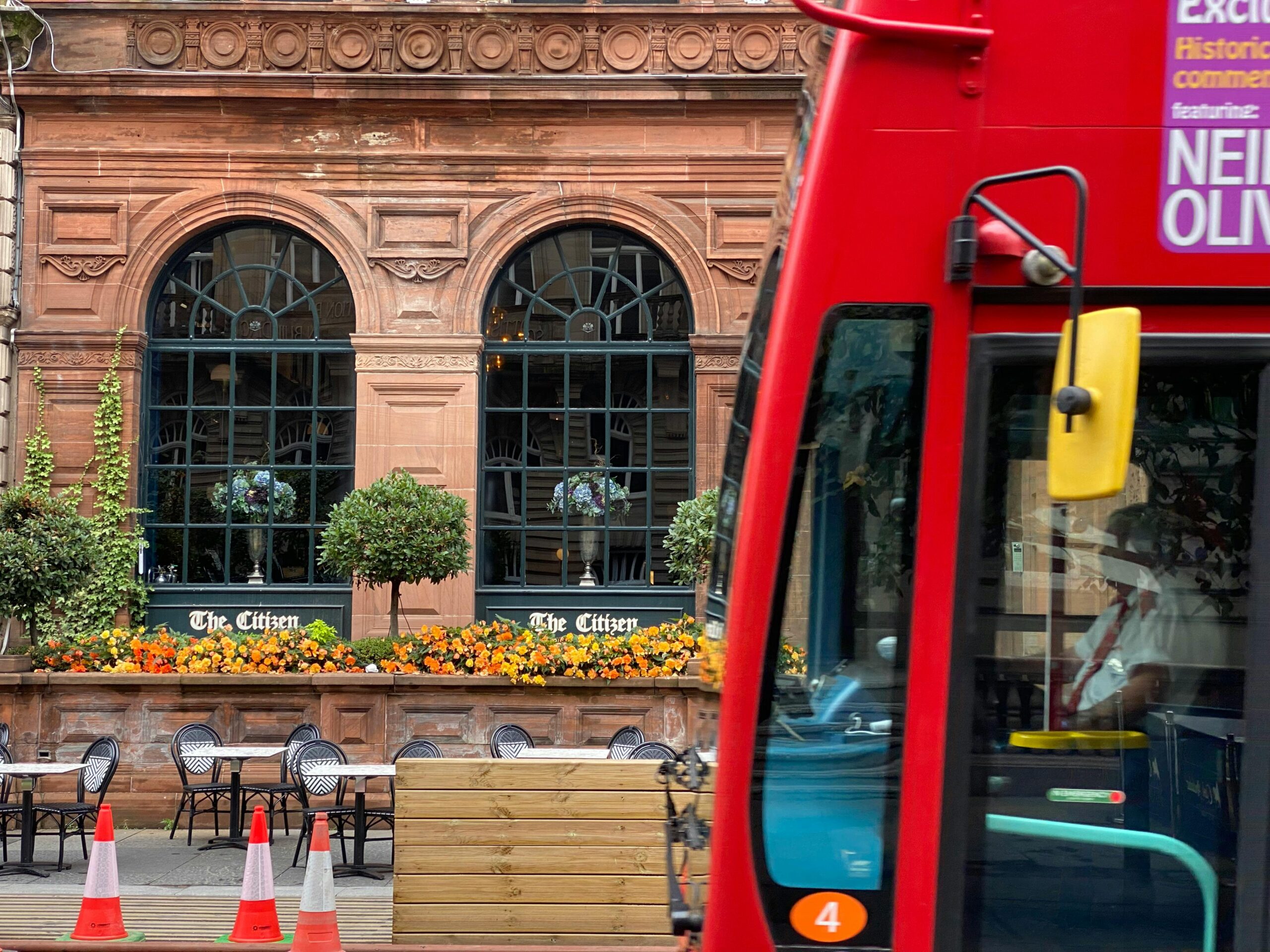
Glasgow has also made substantial progress in promoting sustainable transportation. The city’s extensive public transport network, including buses, trains, and subways, has been expanded and improved to encourage the use of public transit. Cycling infrastructure has seen significant upgrades, with new bike lanes and cycle paths being added to make cycling a safer and more convenient option. Electric vehicle (EV) charging stations have been installed across the city, supporting the growing number of EV owners and reducing reliance on fossil fuels.
Innovative Policies
To further support sustainable transportation, Glasgow has implemented innovative policies such as low-emission zones and congestion charging. These measures aim to reduce traffic congestion and improve air quality by discouraging the use of high-emission vehicles. The city has also introduced bike-sharing schemes and incentives for carpooling, making sustainable transportation options more accessible to all residents.
Waste Management and Recycling
Effective waste management and recycling programs are crucial for any sustainable city, and Glasgow has been making notable strides in this area. The city has implemented a comprehensive recycling program that includes separate collections for various types of waste, such as paper, plastic, glass, and organic waste. Educational campaigns have been launched to raise awareness about the importance of recycling and proper waste disposal. Additionally, the city has been exploring innovative waste-to-energy technologies to convert waste into usable energy, further reducing the environmental impact.
Product Reviews Recommendation Guide
For those looking to make more sustainable choices in their daily lives, it’s essential to stay informed about eco-friendly products and practices. The product reviews recommendation guide provides valuable insights into the best sustainable products available in the market. From energy-efficient appliances to eco-friendly household items, this guide helps consumers make informed decisions that align with their sustainability goals.
Green Spaces and Urban Planning
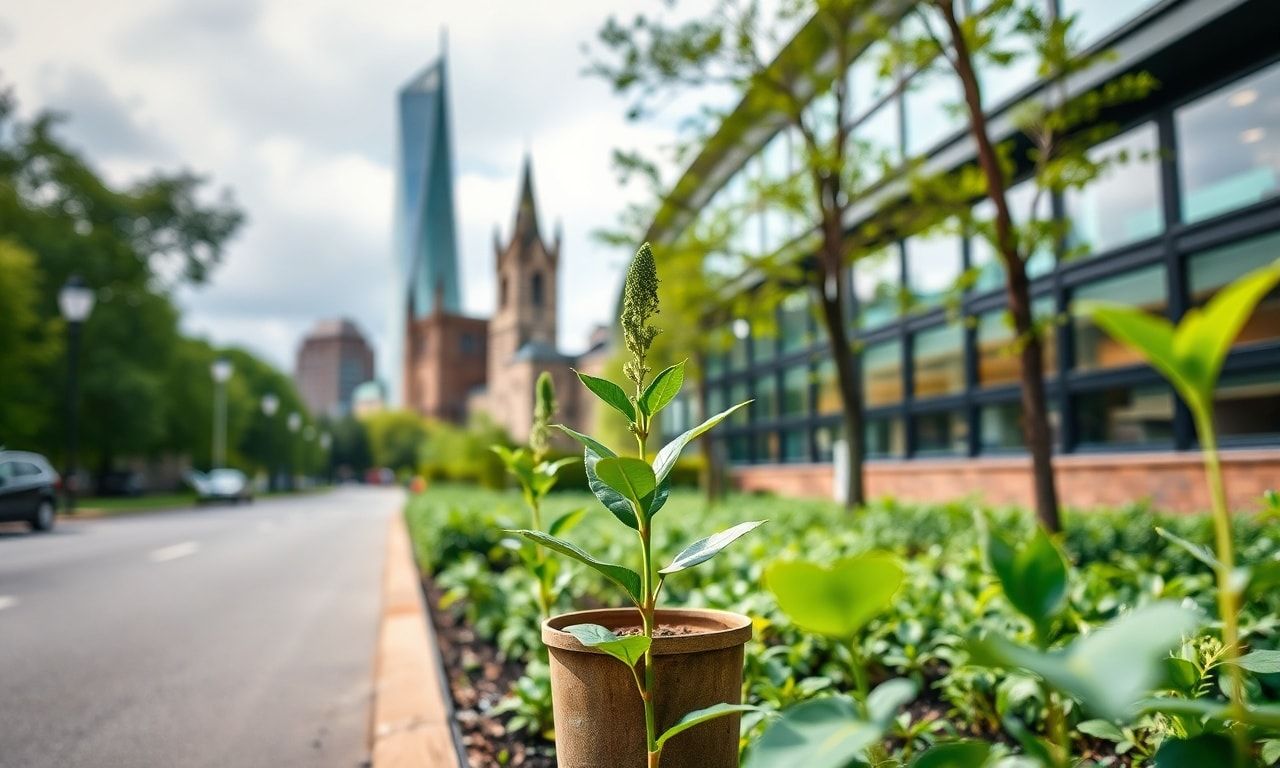
Glasgow’s commitment to sustainability extends to its urban planning and the development of green spaces. The city has been actively working on creating and maintaining parks, gardens, and urban forests to enhance biodiversity and provide residents with access to nature. Projects like the Glasgow Green and the Pollok Country Park have become vital green lungs for the city, offering recreational spaces and promoting a healthier lifestyle. The city’s urban planning efforts also focus on creating walkable neighborhoods and promoting mixed-use developments to reduce the need for long commutes and minimize urban sprawl.
Future Prospects
Looking ahead, Glasgow aims to become one of the greenest cities in Europe. The city has set ambitious targets to reduce carbon emissions, increase the share of renewable energy, and enhance sustainability across all sectors. With ongoing projects and future initiatives, Glasgow is well on its way to achieving these goals. The city’s dedication to sustainability not only benefits its residents but also serves as an inspiration for other urban areas striving for a greener future.
Conclusion
Glasgow’s green transition is a testament to the city’s commitment to sustainability and the well-being of its residents. Through innovative projects, community engagement, and forward-thinking policies, Glasgow is setting a remarkable example for other cities to follow. As the city continues to make progress, it is clear that Glasgow is not just building a sustainable future but also fostering a healthier, more vibrant community for generations to come.