Introduction
Glasgow, the largest city in Scotland, has been making significant strides in its journey towards sustainability. With a rich industrial history, the city is now focusing on innovative green initiatives to reduce its carbon footprint and promote a healthier environment for its residents. This article explores the various sustainability projects and policies that are shaping Glasgow’s future.
The Glasgow Green Deal
The Glasgow Green Deal is a comprehensive plan designed to transform the city into a more sustainable and resilient urban environment. Launched in 2020, this initiative aims to achieve net-zero carbon emissions by 2030, a decade earlier than the UK’s national target. The Green Deal encompasses a wide range of projects, including renewable energy investments, green transportation, and sustainable urban planning.
One of the key components of the Glasgow Green Deal is the expansion of renewable energy sources. The city has invested heavily in wind, solar, and hydroelectric power, with the goal of meeting 100% of its energy needs from renewable sources by 2030. This shift not only reduces greenhouse gas emissions but also creates new job opportunities in the green energy sector.
Transportation and Infrastructure
Glasgow is also making significant improvements in its transportation infrastructure to promote sustainable mobility. The city has introduced a series of measures to encourage the use of public transportation, cycling, and walking. These include the expansion of the subway network, the creation of new bike lanes, and the implementation of low-emission zones in the city center.
In addition to these initiatives, Glasgow has launched a pilot project for electric buses, which are expected to reduce emissions from public transportation significantly. The city is also exploring the possibility of introducing electric vehicle (EV) charging stations across the city to support the growing number of EVs on the road.
Sustainable Urban Planning
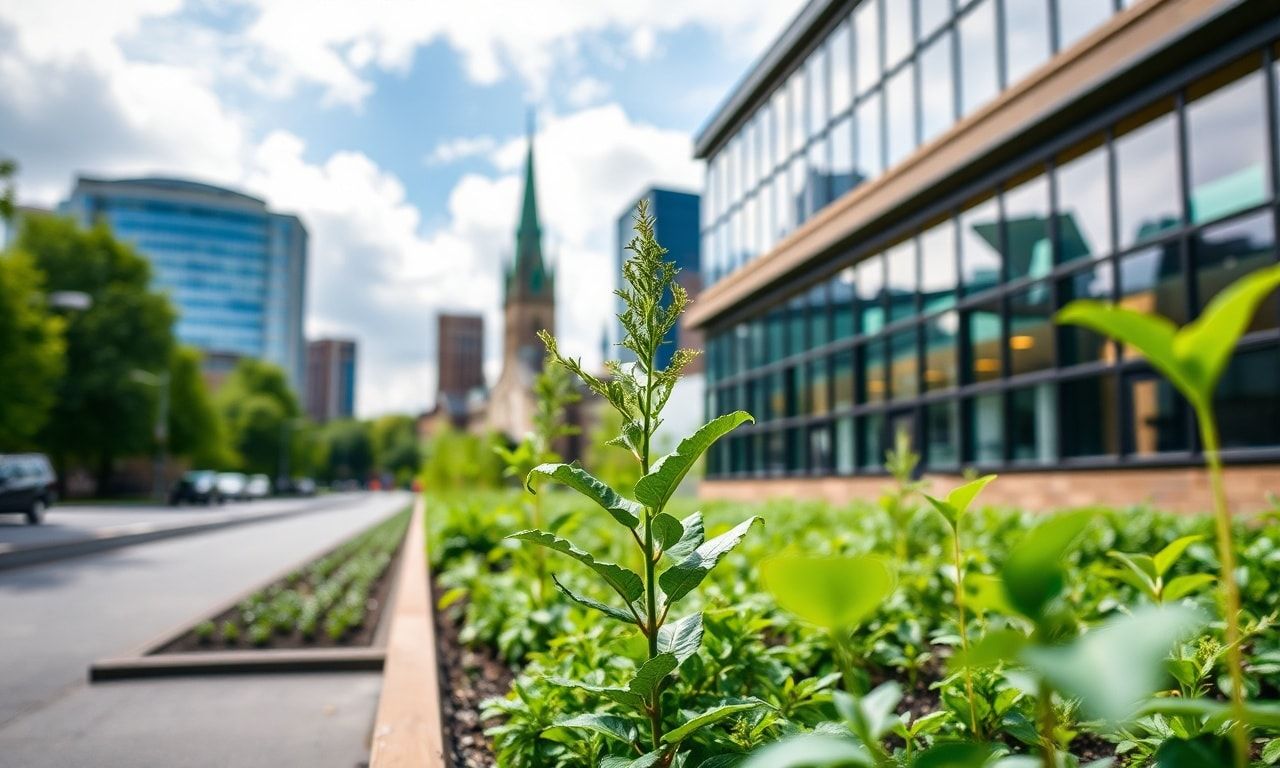
Sustainable urban planning is another critical aspect of Glasgow’s green transition. The city is focusing on creating more green spaces, improving waste management, and promoting energy-efficient buildings. One notable project is the development of the Clyde Climate Forest, a 15-mile urban forest that will span the length of the River Clyde. This forest will not only enhance the city’s biodiversity but also provide a recreational space for residents.
Glasgow is also implementing stricter building regulations to ensure that new constructions are energy-efficient and sustainable. The city has set a target to achieve a 50% reduction in energy consumption from buildings by 2030. This will be achieved through a combination of retrofitting existing buildings, promoting green roofs, and encouraging the use of renewable energy sources.
Community Engagement and Education
Community engagement and education are essential for the success of Glasgow’s sustainability initiatives. The city has launched several programs to raise awareness about environmental issues and encourage residents to adopt sustainable practices. These programs include workshops on energy efficiency, recycling, and sustainable gardening, as well as community clean-up events.
Glasgow’s schools and universities are also playing a crucial role in promoting sustainability. Many educational institutions have incorporated environmental studies into their curricula and are conducting research on various aspects of sustainability. Additionally, students are actively involved in community projects, such as tree planting and waste reduction campaigns.
Challenges and Future Prospects
Despite the progress made, Glasgow still faces several challenges in its journey towards sustainability. One of the main challenges is the need for significant investment in green technologies and infrastructure. The city is seeking partnerships with private companies and international organizations to secure the necessary funding for its sustainability projects.
Another challenge is the need to balance economic growth with environmental sustainability. Glasgow’s industrial past has left a legacy of environmental degradation, and the city must ensure that its green transition does not compromise its economic prosperity. This requires a careful approach to policy-making and the involvement of all stakeholders, including businesses, community groups, and government agencies.
Looking ahead, Glasgow is committed to achieving its sustainability goals and becoming a model for other cities around the world. The city’s innovative projects and policies, combined with the dedication of its residents, are paving the way for a greener and more sustainable future. As Glasgow continues to evolve, it is clear that the city’s green transition will have a lasting impact on its environment, economy, and quality of life.
For those interested in learning more about effective strategies for sustainability and digital marketing, exploring resources such as en iyi seo stratejileri 2026 can provide valuable insights into how technology and innovation can support environmental goals.
To understand the latest developments in Liverpool’s tech scene, consider exploring Liverpool’s tech evolution, which highlights the city’s digital transformation.
You may also find Smarte Investeringar: Så Bygger Du En helpful as it covers related aspects of this subject.