The Path to a Greener Glasgow
Glasgow, the largest city in Scotland, has been making significant strides in its journey towards sustainability and environmental responsibility. With the global climate crisis at the forefront of international discussions, Glasgow has emerged as a beacon of hope and innovation, showcasing how urban areas can effectively transition towards greener practices. This article delves into the various initiatives and projects that are shaping Glasgow’s green transition, highlighting the city’s commitment to reducing its carbon footprint and fostering a sustainable future.
Renewable Energy Initiatives
One of the cornerstones of Glasgow’s green transition is its focus on renewable energy. The city has been actively investing in wind, solar, and hydroelectric power to reduce its reliance on fossil fuels. The Whitelee Windfarm, located on the outskirts of Glasgow, is one of the largest onshore windfarms in the UK, generating enough electricity to power over 300,000 homes annually. Additionally, the city has implemented numerous solar panel installations on public buildings and residential areas, further diversifying its energy sources.
Furthermore, Glasgow has been exploring innovative energy solutions such as geothermal heating. The city’s geothermal energy project aims to harness the Earth’s natural heat to provide sustainable heating and cooling for buildings. This initiative not only reduces greenhouse gas emissions but also lowers energy costs for residents and businesses alike.
Sustainable Urban Planning
Sustainable urban planning is another critical aspect of Glasgow’s green transition. The city has been redesigning its urban landscape to promote walkability, cycling, and public transportation. The Glasgow City Centre M8 Motorway Improvement Project, for instance, aims to reduce traffic congestion and improve air quality by enhancing public transport infrastructure and creating pedestrian-friendly zones.
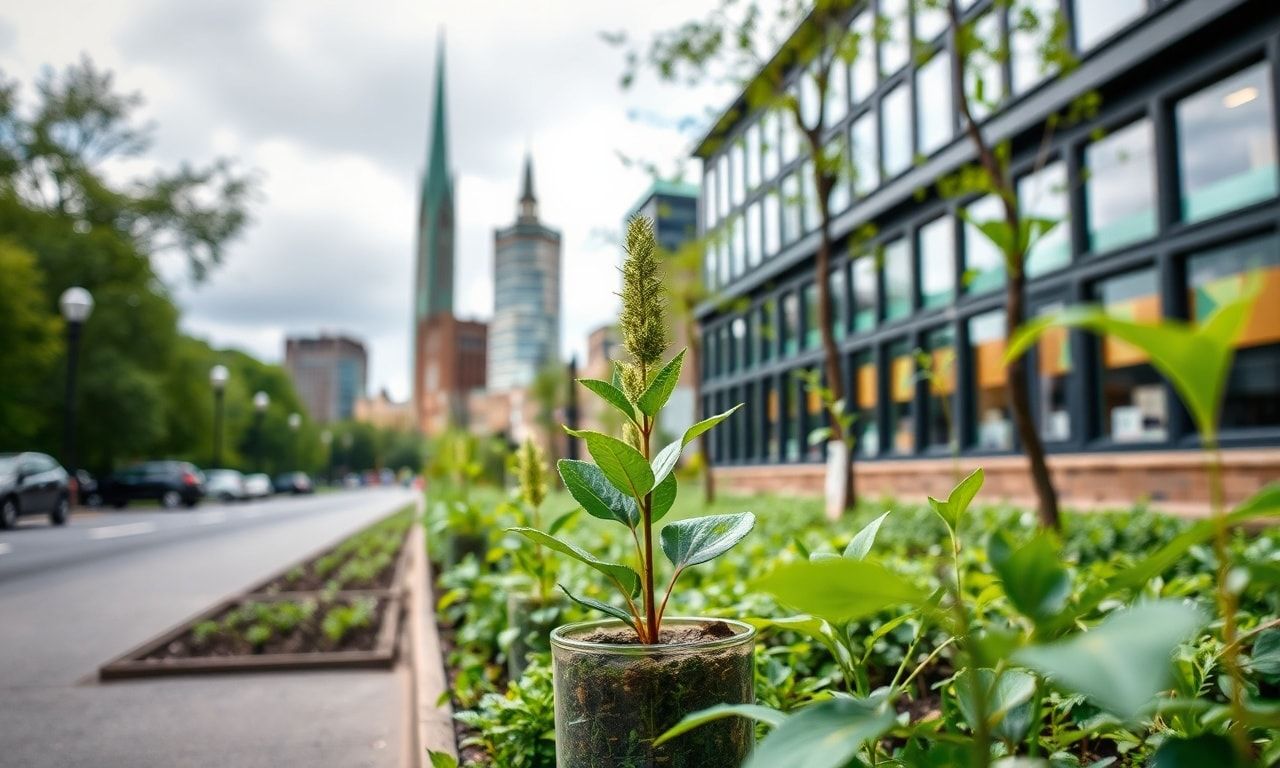
The city has also been investing in green spaces and urban forests. The Glasgow Green Space Initiative aims to create and maintain green areas within the city, providing residents with access to nature and promoting biodiversity. These green spaces not only enhance the quality of life for Glaswegians but also contribute to the city’s overall sustainability efforts by absorbing carbon dioxide and reducing the urban heat island effect.
Waste Management and Recycling
Effective waste management and recycling are essential components of Glasgow’s green transition. The city has implemented a comprehensive recycling program that encourages residents and businesses to reduce, reuse, and recycle waste. The Glasgow Recycling and Renewable Energy Centre (GRREC) is a state-of-the-art facility that processes the city’s waste, converting it into energy and reducing the amount of waste sent to landfills.
Moreover, Glasgow has been promoting the circular economy by supporting local businesses that prioritize sustainable practices. The city’s Circular Glasgow initiative aims to create a more sustainable and resilient local economy by encouraging businesses to adopt circular economy principles, such as waste reduction, resource efficiency, and sustainable design.
Legal and Policy Framework
To support its green transition, Glasgow has been developing a robust legal and policy framework that promotes sustainability and environmental responsibility. The city has adopted the Glasgow Climate Plan, which outlines a series of ambitious targets and actions to reduce greenhouse gas emissions and adapt to climate change. The plan includes measures such as improving energy efficiency in buildings, promoting renewable energy, and enhancing public transportation.
Additionally, Glasgow has been collaborating with international partners to share best practices and learn from other cities’ experiences. The city’s participation in the C40 Cities Climate Leadership Group, for instance, provides a platform for Glasgow to engage with other global cities in addressing climate change and promoting sustainability. For those interested in the latest legal developments in environmental law, resources like hukuk alanında en yeni yasa tasarıları 2026 offer valuable insights into upcoming legislation and policy changes that could further support Glasgow’s green transition.
Community Engagement and Education
Community engagement and education are vital for the success of Glasgow’s green transition. The city has been actively involving residents, businesses, and educational institutions in its sustainability efforts. The Glasgow Science Centre, for example, offers a range of educational programs and exhibitions that promote environmental awareness and sustainability.
Furthermore, Glasgow has been supporting community-led initiatives that promote sustainable living. The Glasgow Community Energy project, for instance, empowers local communities to generate and manage their own renewable energy, fostering a sense of ownership and responsibility for the environment. These initiatives not only contribute to the city’s sustainability goals but also strengthen community bonds and promote social cohesion.
Conclusion
Glasgow’s green transition is a testament to the city’s commitment to sustainability and environmental responsibility. Through its renewable energy initiatives, sustainable urban planning, waste management and recycling programs, legal and policy framework, and community engagement efforts, Glasgow is paving the way for a greener and more sustainable future. As the city continues to innovate and collaborate with international partners, it serves as a model for other urban areas striving to address the global climate crisis and promote sustainable living.
As legal challenges evolve with current events, top firms navigate complex landscapes offers a comprehensive look at the role of consulting firms.
To stay informed about the latest developments, consider exploring recent legal landscape changes and their potential impact on current events.