Glasgow’s Urban Farming Initiative Gains Momentum
Glasgow, a city known for its rich industrial history, is now making waves in the world of urban farming. With a growing emphasis on sustainability and self-sufficiency, the city is embracing innovative agricultural practices to transform its urban landscape. This green revolution is not only providing fresh, locally sourced produce but also creating jobs and fostering community engagement.
The Rise of Vertical Farming
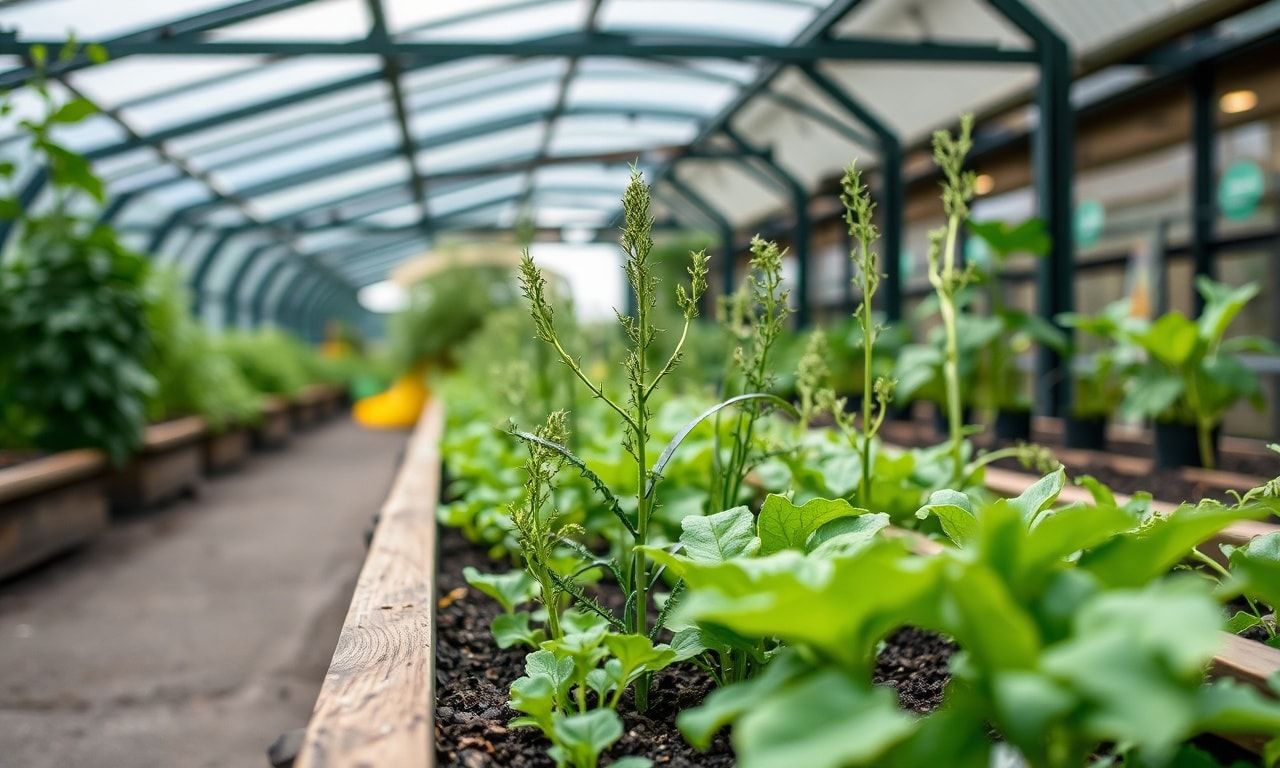
One of the most notable developments in Glasgow’s urban farming scene is the rise of vertical farming. This method involves growing crops in stacked layers, often using hydroponic or aeroponic systems, which allow plants to grow without soil. Vertical farms are particularly advantageous in urban areas where space is limited. They require significantly less water and land compared to traditional farming methods, making them an eco-friendly choice.
Several vertical farms have already been established in Glasgow, with more planned for the near future. These farms are not only producing a variety of leafy greens and herbs but also serving as educational hubs where locals can learn about sustainable farming practices. The city’s commitment to this innovative approach is evident in its support for startups and research initiatives focused on vertical farming technologies.
Community Gardens and Allotments
In addition to vertical farming, community gardens and allotments are playing a crucial role in Glasgow’s green revolution. These spaces provide residents with the opportunity to grow their own food, fostering a sense of community and promoting healthy eating habits. The city has seen a significant increase in the number of community gardens, with many of them being managed by local volunteers and non-profit organizations.
These gardens are not just about growing vegetables; they are also about building social connections. Regular workshops and events are organized to teach residents about gardening techniques, composting, and sustainable living. The impact of these initiatives is far-reaching, as they contribute to the city’s efforts to reduce food miles and promote biodiversity.
Technological Innovations in Urban Farming
The integration of technology in urban farming is another key aspect of Glasgow’s green revolution. From smart irrigation systems to automated monitoring tools, technology is helping farmers maximize efficiency and productivity. These innovations are not only beneficial for large-scale vertical farms but also for small-scale community gardens.
For instance, sensors and data analytics are being used to monitor soil moisture levels, temperature, and light intensity, ensuring optimal growing conditions. Additionally, the use of renewable energy sources, such as solar and wind power, is reducing the carbon footprint of urban farming operations. These technological advancements are paving the way for a more sustainable and resilient food system in Glasgow.
For those interested in the latest agricultural technologies, exploring resources like tarım sektörü için en iyi uygulamalar 2026 can provide valuable insights into best practices and innovative solutions for the farming sector.
The Economic and Social Impact
The green revolution in Glasgow is not just about environmental benefits; it is also creating economic and social opportunities. Urban farming initiatives are generating jobs and stimulating local economies. From farm managers to educators and technicians, a wide range of roles are being created to support the growing industry.
Moreover, these initiatives are fostering social cohesion and empowering communities. By involving residents in the growing and harvesting process, urban farming projects are promoting a sense of ownership and pride. They are also addressing food insecurity by providing access to fresh, nutritious produce for low-income families.
The Future of Urban Farming in Glasgow
As Glasgow continues to embrace urban farming, the future looks bright for the city’s green revolution. With ongoing investments in technology, education, and community engagement, the city is well-positioned to become a leader in sustainable urban agriculture. The success of these initiatives will not only benefit Glasgow but also serve as a model for other cities looking to adopt similar practices.
The journey towards a greener, more sustainable Glasgow is well underway, and the impact of urban farming will be felt for generations to come. As the city continues to innovate and adapt, it is poised to set a new standard for urban agriculture in the 21st century.