The Vision for a Greener Glasgow
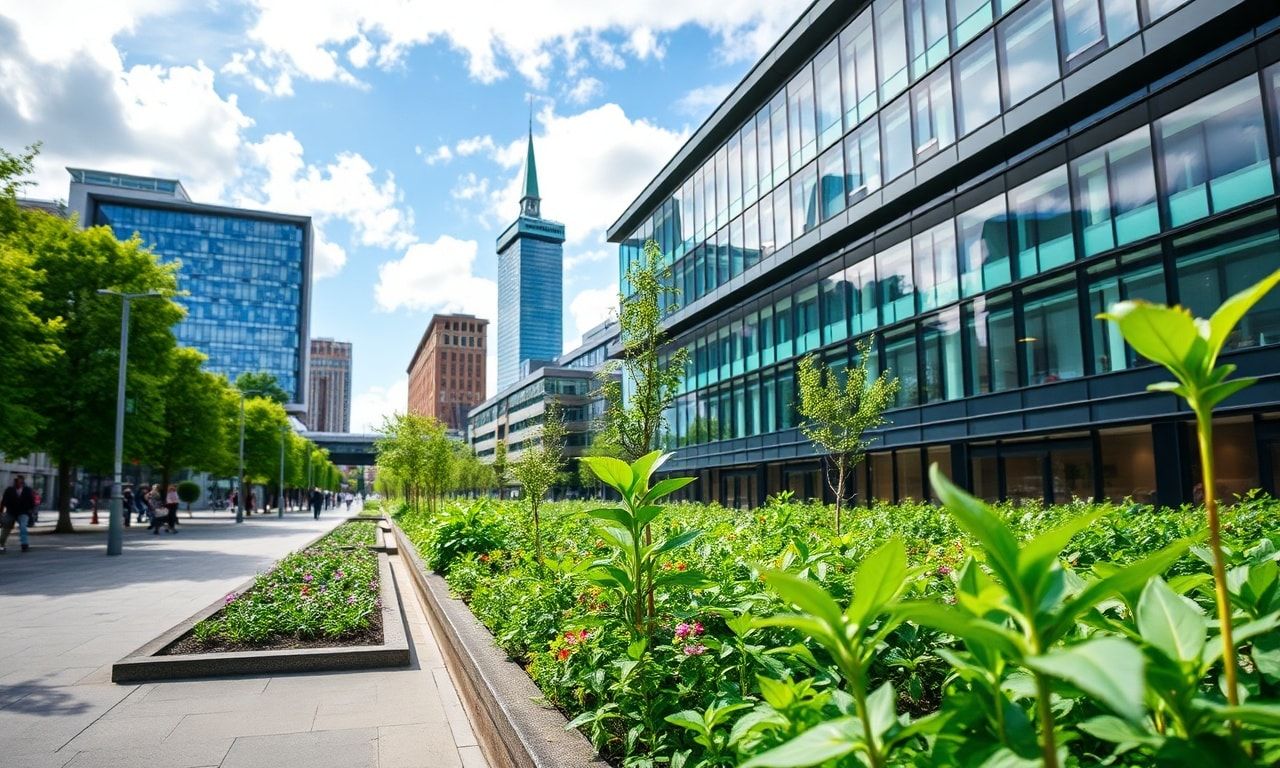
Glasgow, the largest city in Scotland, has been making significant strides in sustainable urban development. The city’s vision is to become one of the greenest cities in Europe by 2030. This ambitious goal is driven by a combination of innovative policies, community engagement, and technological advancements. The Glasgow City Council has been at the forefront of this green revolution, implementing a series of initiatives aimed at reducing carbon emissions, promoting renewable energy, and enhancing the city’s green spaces.
Renewable Energy Initiatives
One of the key areas of focus for Glasgow’s green revolution is the adoption of renewable energy sources. The city has been investing heavily in wind, solar, and hydroelectric power. The Glasgow Renewable Energy Project, launched in 2020, aims to source 100% of the city’s energy from renewable sources by 2030. This project includes the installation of wind turbines in strategic locations around the city, as well as the development of solar farms on the outskirts of Glasgow. Additionally, the city has been exploring the potential of geothermal energy, which could provide a sustainable and reliable source of heat for homes and businesses.
In line with the city’s renewable energy initiatives, Glasgow has also been promoting the use of electric vehicles (EVs). The Glasgow Electric Vehicle Infrastructure Project aims to install thousands of EV charging points across the city by 2025. This project is part of a broader effort to reduce the city’s reliance on fossil fuels and promote sustainable transportation. The city has also been encouraging the use of public transportation, cycling, and walking as alternatives to driving. The Glasgow Subway, one of the oldest underground rail systems in the world, has been modernized to reduce its carbon footprint and improve its efficiency.
The Role of Technology in Glasgow’s Green Revolution
Technology plays a crucial role in Glasgow’s green revolution. The city has been leveraging advanced technologies to monitor and reduce its carbon emissions. For example, the Glasgow Carbon Dashboard is an online tool that provides real-time data on the city’s carbon emissions. This tool helps city officials and residents track the city’s progress towards its sustainability goals and identify areas for improvement. Additionally, the city has been using smart grid technology to optimize the distribution of renewable energy. This technology allows for the efficient management of energy resources, reducing waste and improving the reliability of the city’s power supply.
Another area where technology is making a significant impact is in the development of smart buildings. Glasgow has been promoting the construction of energy-efficient buildings that use advanced materials and technologies to reduce their energy consumption. These buildings are equipped with smart sensors and automation systems that optimize heating, cooling, and lighting. The city has also been retrofitting existing buildings to improve their energy efficiency. The Glasgow Retrofit Programme aims to upgrade thousands of homes and commercial buildings across the city, reducing their carbon footprint and improving their sustainability.
For those interested in the latest technological advancements in sustainable transportation, the Honda Civic tech guide and updates for 2026 provides valuable insights into the future of electric and hybrid vehicles. This guide highlights the innovative features and technologies that are shaping the next generation of sustainable transportation, offering a glimpse into the future of green mobility.
Community Engagement and Education
Community engagement and education are essential components of Glasgow’s green revolution. The city has been working closely with local communities to promote sustainable practices and raise awareness about the importance of environmental conservation. The Glasgow Green Schools Programme is one such initiative that aims to educate students about sustainability and encourage them to adopt eco-friendly practices. This programme includes a range of activities, such as school gardening projects, recycling initiatives, and energy-saving campaigns.
In addition to the Green Schools Programme, Glasgow has been organizing community events and workshops to promote sustainable living. The Glasgow Green Festival, held annually, brings together residents, businesses, and organizations to celebrate the city’s green achievements and share ideas for a more sustainable future. The festival features a range of activities, including workshops on renewable energy, sustainable gardening, and waste reduction. The city has also been partnering with local businesses to promote sustainable practices and encourage the adoption of green technologies.
The Future of Glasgow’s Green Revolution
The future of Glasgow’s green revolution looks promising, with several initiatives and projects in the pipeline. The city is set to host the 2026 Commonwealth Games, which will provide an opportunity to showcase its sustainability efforts on a global stage. The Glasgow 2026 Sustainability Plan outlines the city’s commitment to hosting a green and inclusive event. This plan includes a range of initiatives, such as the use of renewable energy for the games, the promotion of sustainable transportation, and the development of green venues.
Looking beyond 2026, Glasgow aims to continue its green revolution by expanding its renewable energy projects, promoting sustainable transportation, and enhancing its green spaces. The city is also exploring the potential of new technologies, such as carbon capture and storage, to further reduce its carbon footprint. By embracing innovation and collaboration, Glasgow is poised to become a leader in sustainable urban development, setting an example for cities around the world.
Conclusion
Glasgow’s green revolution is a testament to the city’s commitment to sustainability and innovation. Through a combination of renewable energy initiatives, technological advancements, and community engagement, Glasgow is making significant progress towards its goal of becoming one of the greenest cities in Europe. As the city continues to evolve and adapt, it serves as an inspiring example of how urban areas can embrace sustainability and create a brighter future for generations to come.
In a significant development, Swiss researchers uncover cancer breakthrough that could reshape the future of treatment options.
In a world where technology evolves at a rapid pace, understanding its impact on daily life is crucial; explore this further in how tech shapes our routines.
As states across the nation push for sustainability, Vermont’s ambitious green initiative stands out as a model for environmental progress.