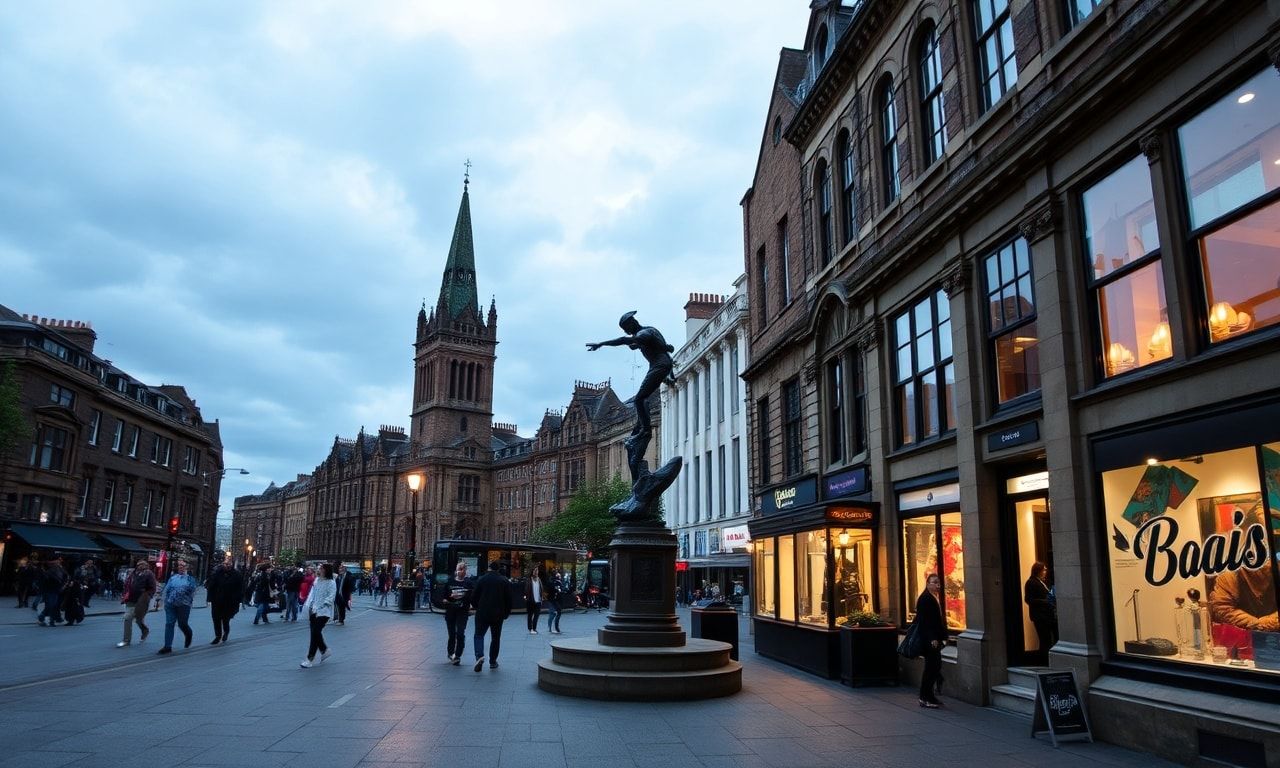
The Evolution of Glasgow’s Cultural Landscape
Glasgow, the largest city in Scotland, has long been celebrated for its rich cultural heritage and dynamic arts scene. Over the years, the city has evolved into a hub for creativity, attracting artists, musicians, and enthusiasts from around the world. This transformation has been driven by a combination of historical influences, governmental support, and the relentless passion of its residents.
The city’s cultural renaissance began in the late 20th century, with the establishment of numerous galleries, theaters, and music venues. Today, Glasgow is home to over 130 cultural organizations, making it a beacon of artistic expression in the UK. The city’s commitment to fostering creativity is evident in its diverse range of cultural events, from the Glasgow International Festival to the Merchant City Festival.
One of the key factors contributing to Glasgow’s cultural vibrancy is its strong sense of community. Local artists and musicians often collaborate with community groups to create inclusive and accessible cultural experiences. This collaborative spirit has helped to break down barriers and ensure that the city’s cultural offerings are enjoyed by a wide audience.
The Role of Education and Institutions
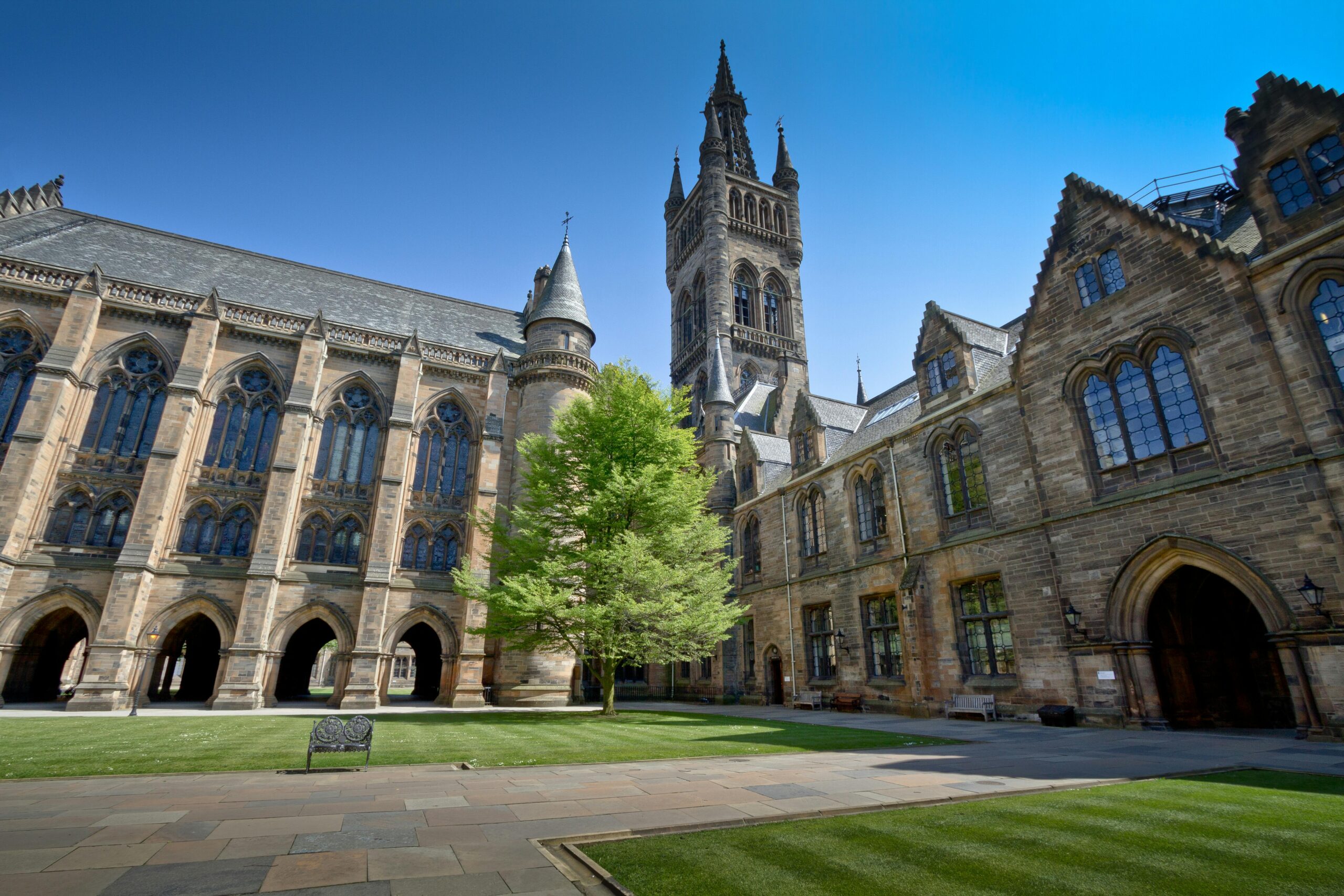
Education plays a pivotal role in nurturing Glasgow’s cultural scene. The city is home to several prestigious institutions, including the Glasgow School of Art, which has produced some of the world’s most renowned artists. These institutions not only provide a platform for emerging talent but also contribute to the city’s intellectual and creative capital.
In addition to formal education, Glasgow’s cultural institutions offer a wealth of resources and opportunities for lifelong learning. The Mitchell Library, for example, is one of the largest public reference libraries in Europe and hosts a wide range of cultural events and workshops. Similarly, the Glasgow Science Centre provides interactive exhibits and educational programs that inspire curiosity and creativity in visitors of all ages.
The city’s museums and galleries also play a crucial role in preserving and showcasing its cultural heritage. The Kelvingrove Art Gallery and Museum, one of Scotland’s most popular free-to-enter attractions, houses an impressive collection of art and artifacts that span centuries. The Riverside Museum, meanwhile, offers a fascinating glimpse into Glasgow’s industrial past, with exhibits that highlight the city’s contributions to engineering and transportation.
Music: The Heartbeat of Glasgow
Music is an integral part of Glasgow’s cultural identity, with the city boasting a rich musical heritage that spans genres and generations. From traditional folk music to contemporary indie and electronic, Glasgow’s music scene is as diverse as it is dynamic. The city has been the birthplace of numerous influential bands and artists, including Franz Ferdinand, Belle and Sebastian, and Primal Scream.
Glasgow’s live music venues are legendary, offering a platform for both established and emerging artists. The Barrowland Ballroom, a historic venue that has hosted some of the biggest names in music, remains a beloved institution. Other notable venues include the King Tut’s Wah Wah Hut, which has launched the careers of many local bands, and the SWG3, a multi-purpose venue that hosts a wide range of events, from concerts to art exhibitions.
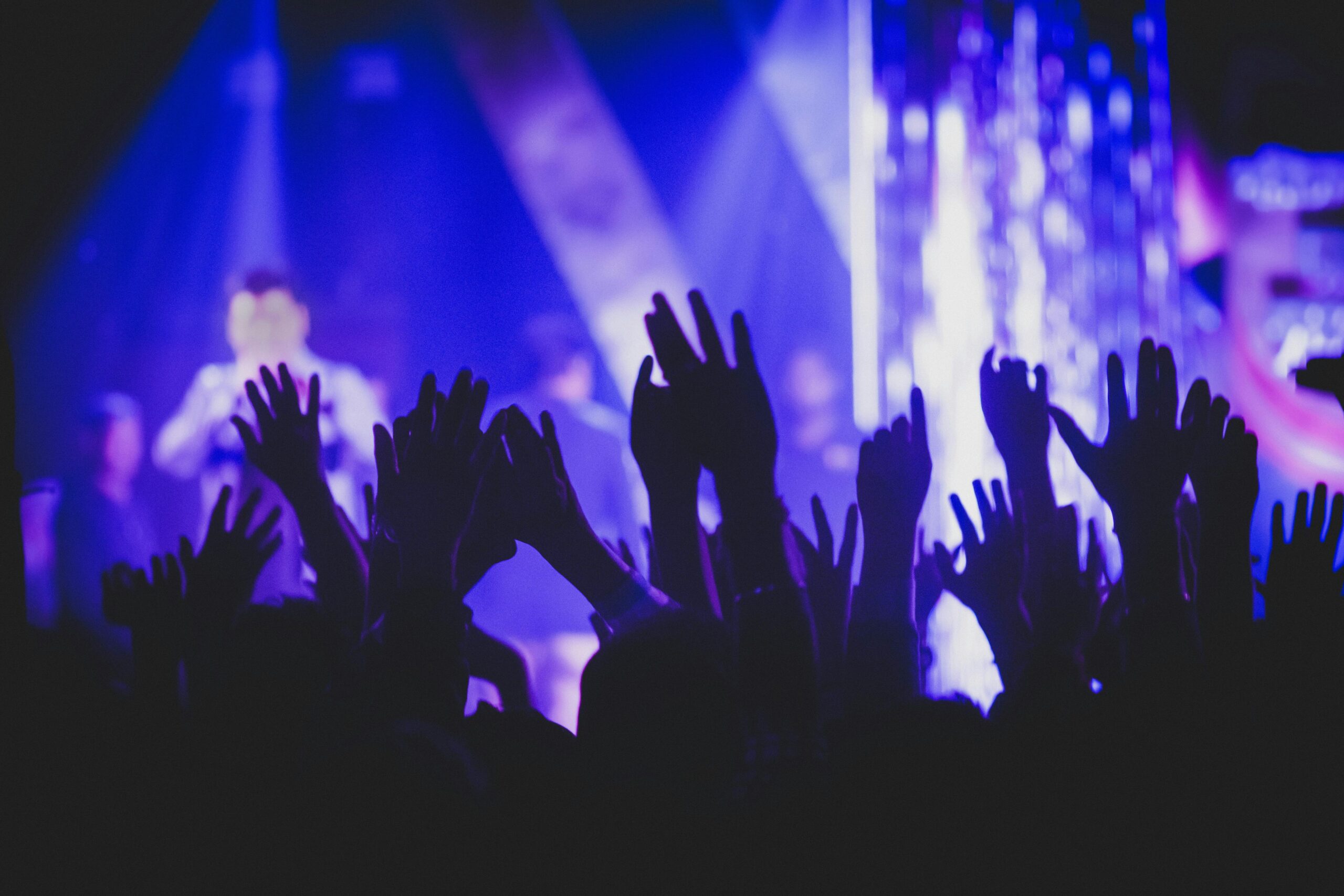
The city’s annual music festivals further cement its status as a musical powerhouse. The Glasgow International Jazz Festival, for example, attracts jazz enthusiasts from around the world, while the TRNSMT Festival has become one of the UK’s premier music festivals, featuring performances by some of the biggest names in the industry. These events not only showcase the city’s musical talent but also contribute significantly to its economy and cultural reputation.
Art and Design: A Creative Powerhouse
Glasgow’s art scene is a testament to the city’s creative spirit. The city is home to a thriving community of artists, designers, and craftspeople who contribute to its vibrant cultural landscape. From street art to fine art, Glasgow’s artistic offerings are as diverse as they are impressive. The city’s public art installations, such as the famous ‘Babylon’ mural by Rogue One, have become iconic symbols of its creative energy.
The city’s galleries and exhibitions provide a platform for both local and international artists. The Gallery of Modern Art (GoMA), located in the heart of the city, houses an impressive collection of contemporary art. The Glasgow International Festival, held every two years, transforms the city into a global stage for cutting-edge art and design, attracting visitors and critics from around the world.
In addition to its visual arts, Glasgow is also renowned for its design and fashion scene. The city’s designers and fashion houses are celebrated for their innovative and sustainable approaches to fashion. Events like the Glasgow Fashion Week showcase the best of Scottish design, highlighting the city’s commitment to creativity and sustainability.
Heritage and Tradition: Preserving the Past
While Glasgow is known for its modern cultural offerings, the city is also deeply rooted in tradition. Its rich history is preserved through a variety of heritage sites and cultural institutions. The Glasgow Cathedral, one of the few Scottish cathedrals to survive the Reformation, is a testament to the city’s medieval past. The Necropolis, a Victorian cemetery, offers a fascinating glimpse into Glasgow’s history and is a popular destination for history enthusiasts.
The city’s museums and archives play a crucial role in preserving its heritage. The Glasgow Museums Resource Centre, for example, houses an extensive collection of artifacts that tell the story of the city’s past. The Mitchell Library’s Special Collections department is home to rare books, manuscripts, and archives that provide valuable insights into Glasgow’s history and culture.
Traditional events and festivals also play a vital role in preserving Glasgow’s cultural heritage. The Glasgow Mela, one of the largest multicultural festivals in Scotland, celebrates the city’s diverse cultural heritage. The Hogmanay celebrations, meanwhile, bring the city together in a festive spirit, showcasing its traditional music, dance, and cuisine.
Looking to the Future
As Glasgow continues to evolve, its cultural scene remains at the forefront of its development. The city’s commitment to fostering creativity and innovation is evident in its numerous cultural initiatives and projects. The Glasgow Life program, for example, aims to make culture and creativity accessible to all, with a focus on community engagement and participation.
The city’s cultural institutions are also embracing new technologies to enhance the visitor experience. Virtual reality exhibits, interactive displays, and digital archives are just a few examples of how Glasgow’s cultural scene is adapting to the digital age. These innovations not only make cultural experiences more engaging but also help to reach a wider audience.
Looking ahead, Glasgow’s cultural scene is poised for continued growth and innovation. With its rich heritage, vibrant arts scene, and commitment to community engagement, the city is set to remain a cultural powerhouse for years to come. As it continues to evolve, Glasgow’s cultural tapestry will undoubtedly become even more diverse and dynamic, reflecting the city’s unique blend of tradition and innovation.
For those interested in the latest cultural rankings and updates, the team rankings world update provides a comprehensive overview of global cultural trends and achievements. This resource offers valuable insights into the cultural landscape, highlighting the contributions of cities like Glasgow to the world of art, music, and heritage.