The Evolution of Glasgow’s Cultural Landscape
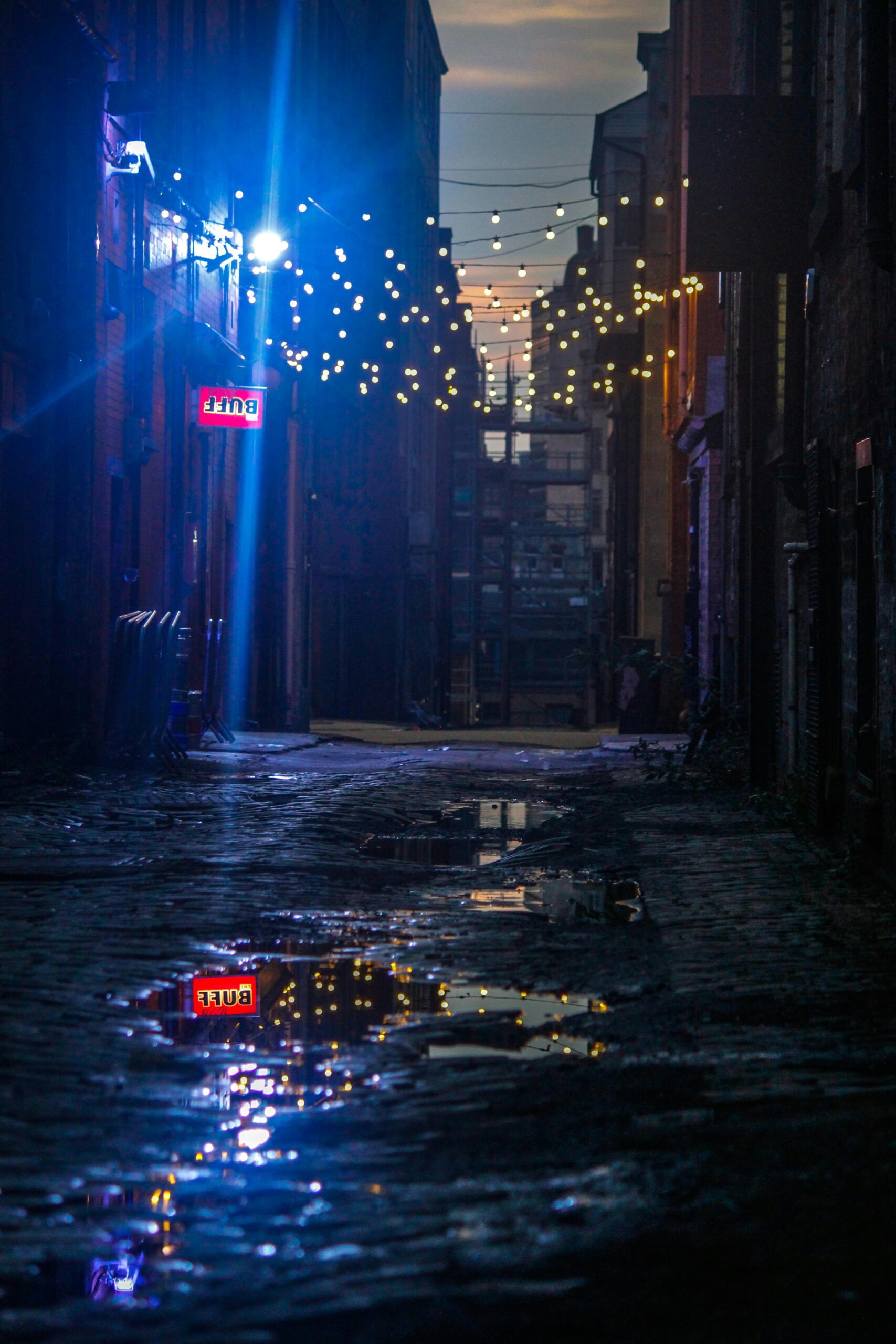
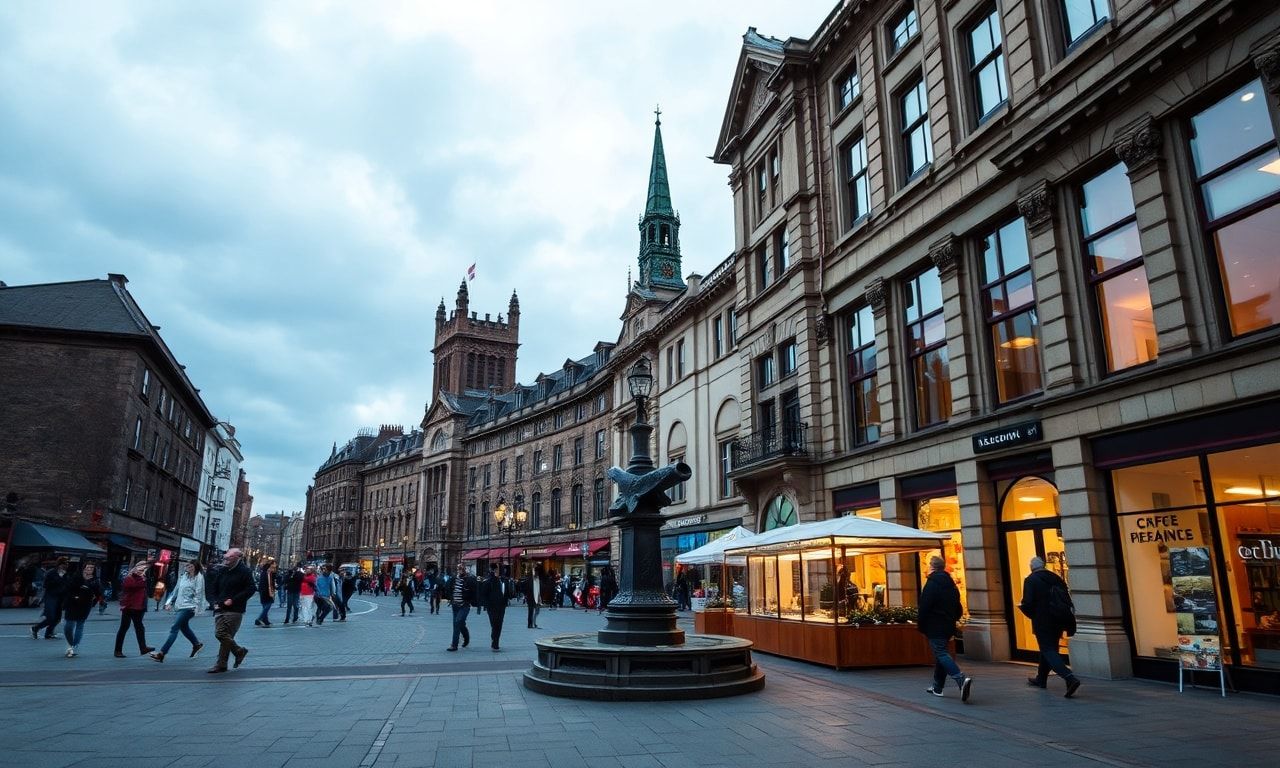
Glasgow, the largest city in Scotland, has long been celebrated for its vibrant cultural scene. From its rich history in music and arts to its modern-day innovations, the city offers a unique blend of tradition and contemporary culture. This article explores the various facets of Glasgow’s cultural landscape, highlighting its evolution and the key players that continue to shape its identity.
The Role of Music in Glasgow’s Cultural Identity
Music has always been at the heart of Glasgow’s cultural identity. The city has produced some of the most influential bands and musicians in history, including Franz Ferdinand and Simple Minds. Glasgow’s live music scene is thriving, with venues like the King Tut’s Wah Wah Hut and the Barrowland Ballroom attracting both local and international artists. The city’s annual music festivals, such as the Glasgow International Jazz Festival and the Celtic Connections, further cement its status as a cultural hub.
Art and Design: A Visual Feast
Glasgow’s art scene is equally impressive, with a plethora of galleries and museums showcasing both historical and contemporary works. The Kelvingrove Art Gallery and Museum, with its extensive collection of art and artifacts, is a must-visit for any culture enthusiast. The city is also home to the Glasgow School of Art, which has produced renowned artists and designers. The annual Glasgow International Festival of Visual Art brings together local and international artists, offering a platform for creative expression and innovation.
For those interested in exploring more about cultural hotspots around the world, checking out popular articles recommended reading can provide a wealth of information and inspiration. These articles often highlight the unique cultural aspects of various cities, offering a broader perspective on global cultural trends.
Theatre and Performing Arts
Theatre and performing arts play a significant role in Glasgow’s cultural scene. The city boasts several prestigious theatres, including the Glasgow Royal Concert Hall and the Theatre Royal. These venues host a variety of performances, from classical plays to modern dance and opera. The annual Glasgow International Comedy Festival attracts top comedians from around the world, adding to the city’s reputation as a hub for performing arts.
Literary Glasgow: A City of Storytellers
Glasgow has a rich literary tradition, with many famous authors calling the city home. The Glasgow Writers’ Quay, located on the banks of the River Clyde, is a hub for writers and literature lovers. The city hosts several literary festivals, including the Aye Write! Book Festival, which brings together authors, poets, and book lovers from across the globe. The Glasgow Women’s Library is another notable institution, dedicated to preserving and promoting the history of women’s contributions to literature and culture.
Food and Drink: A Taste of Glasgow
Glasgow’s culinary scene is as diverse as its cultural offerings. The city is home to a wide range of restaurants, cafes, and bars, catering to every taste and budget. From traditional Scottish dishes to international cuisine, Glasgow’s food scene reflects its multicultural heritage. The annual Glasgow Food and Drink Festival celebrates the best of local produce and culinary talent, offering a feast for the senses.
Conclusion: A City of Cultural Richness
Glasgow’s cultural scene is a testament to its rich history and innovative spirit. From music and art to theatre and literature, the city offers a wealth of cultural experiences that cater to every interest. Whether you’re a local resident or a visitor, exploring Glasgow’s cultural landscape is an enriching journey that highlights the city’s unique blend of tradition and modernity.
Amidst the hustle and bustle of daily life, understanding the connection between mental well-being and leisure can offer valuable insights into maintaining a healthy balance.