The Vision Behind Glasgow’s Green Initiative
Glasgow, the largest city in Scotland, has long been recognized for its rich cultural heritage and vibrant urban life. However, in recent years, the city has also been making significant strides towards becoming a global leader in sustainable urban living. The Glasgow City Council has unveiled an ambitious green initiative aimed at reducing the city’s carbon footprint, enhancing biodiversity, and improving the overall quality of life for its residents.
The initiative, dubbed ‘Glasgow Green 2030,’ is a comprehensive plan that encompasses various aspects of urban living, including transportation, energy consumption, waste management, and green spaces. The goal is to make Glasgow a carbon-neutral city by 2030, a decade ahead of the Scottish government’s target. This ambitious plan not only sets a high standard for other cities to follow but also positions Glasgow as a frontrunner in the global fight against climate change.
Transportation: The Backbone of the Green Initiative
One of the key components of the Glasgow Green 2030 initiative is the overhaul of the city’s transportation system. The plan includes the expansion of public transportation networks, the introduction of more electric buses, and the development of cycling and pedestrian-friendly infrastructure. The aim is to reduce the reliance on private vehicles, which are a significant source of carbon emissions.
In addition to these measures, the city is also exploring innovative solutions such as the use of hydrogen-powered buses and the implementation of a congestion charge to further incentivize the use of public transportation. These initiatives are expected to not only reduce emissions but also improve air quality and public health. For more insights into global transport infrastructure developments, you can refer to the transport infrastructure news update.
Energy Consumption: A Shift Towards Renewables
Another critical aspect of the Glasgow Green 2030 initiative is the transition towards renewable energy sources. The city plans to invest heavily in wind, solar, and hydroelectric power to meet its energy needs. This shift is expected to significantly reduce the city’s carbon footprint and contribute to the overall goal of becoming carbon-neutral by 2030.
The city is also exploring the use of district heating systems, which involve the distribution of heat generated from renewable sources to residential and commercial buildings. This approach is expected to be more efficient and cost-effective than individual heating systems, further reducing the city’s energy consumption and emissions.
Waste Management: A Circular Economy Approach
The Glasgow Green 2030 initiative also places a strong emphasis on waste management. The city aims to adopt a circular economy approach, where waste is minimized, and resources are kept in use for as long as possible. This involves the implementation of recycling and composting programs, the promotion of waste reduction strategies, and the development of innovative waste-to-energy technologies.
The city is also exploring the use of smart bins and other technological solutions to improve waste collection and management. These initiatives are expected to not only reduce the amount of waste sent to landfills but also create new job opportunities in the green economy.
Green Spaces: Enhancing Biodiversity and Quality of Life
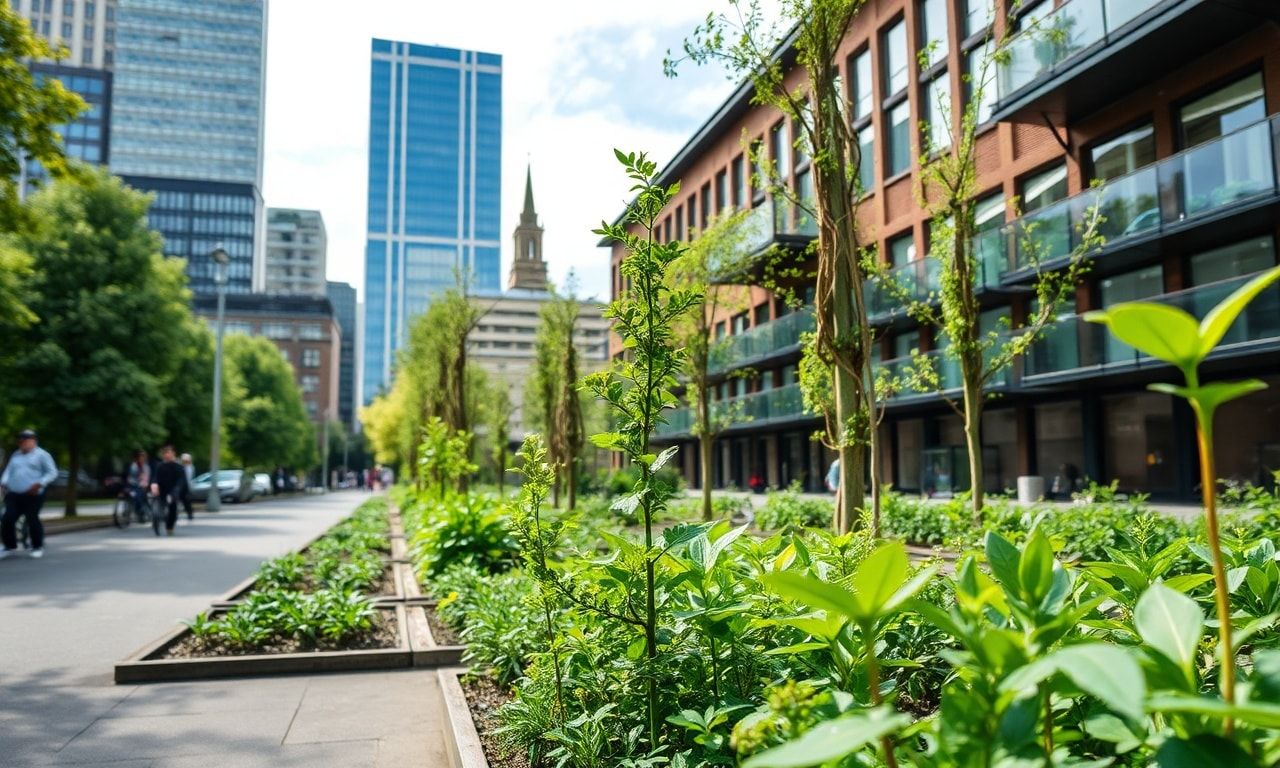
The Glasgow Green 2030 initiative also includes the creation and enhancement of green spaces within the city. This involves the planting of trees, the development of urban parks and gardens, and the restoration of natural habitats. These green spaces not only enhance the city’s aesthetic appeal but also contribute to biodiversity, improve air quality, and provide recreational opportunities for residents.
The city is also exploring the use of green roofs and walls, which involve the planting of vegetation on building roofs and walls. These initiatives are expected to not only improve the city’s aesthetic appeal but also contribute to energy efficiency, stormwater management, and biodiversity.
Challenges and Opportunities
While the Glasgow Green 2030 initiative is ambitious and far-reaching, it is not without its challenges. The city will need to secure significant funding, secure public support, and navigate complex regulatory frameworks to achieve its goals. However, the initiative also presents numerous opportunities for the city, including the creation of new jobs, the attraction of investment, and the enhancement of the city’s reputation as a leader in sustainable urban living.
In conclusion, the Glasgow Green 2030 initiative is a bold and visionary plan that has the potential to transform the city into a global leader in sustainable urban living. While the road ahead is challenging, the city’s commitment to this initiative is a testament to its dedication to creating a better future for its residents and the planet.